


What are Seed Bombs?
They’re small, handmade balls made of soil, clay, and seeds, designed to bring life to forgotten places.
You simply toss one onto a neglected area—maybe a patch of dry soil, an abandoned corner of your campus, or a roadside ditch—and let nature take it from there. When it rains, the clay dissolves, the seeds settle in the soil, and soon after… boom! Plants begin to sprout.
This technique was made famous by Masanobu Fukuoka, a Japanese farmer and pioneer of natural farming. Today, seed bombs are used around the world by people who want to make their cities greener, one plant at a time.
Why use seed bombs?
Seed bombs may be small, but their impact is big. They help to:
- Revitalize urban areas by adding greenery to dull, grey spaces.
- Support pollinators like bees and butterflies by giving them flowers to feed on.
- Improve air quality by adding more plants to your environment.
- Beautify public spaces and make communities more welcoming.
- Raise environmental awareness through hands-on action.
And the best part? You don’t need to be a gardener or an expert. Just a few materials and a willingness to get your hands a little dirty.


Why Are They Sustainable?
Seed bombs are a fantastic example of low-impact sustainability:
• Made with completely natural and biodegradable materials.
• Use native or wild plant seeds that require minimal care.
• Don’t need fertilizers or irrigation.
• Help restore micro-ecosystems, even in urban settings.
• Encourage community participation and environmental stewardship.
It’s a simple gesture with long-term ecological benefits.
Seed Bombs and Colleges: A Perfect Match
Creating seed bombs on campus isn’t just fun—it’s a meaningful educational and community-building activity. It brings value to students, teachers and the environment alike:
- Offers hands-on environmental education in a creative format.
- Strengthens a sense of community through shared projects.
- Improves mental well-being by connecting students to nature.
- Makes your campus more colourful, vibrant, and eco-friendly.
- Can inspire long-term initiatives like campus gardens or pollinator zones.
DIY instruction: How to Make Your Own Seed Bombs
Want to make your own seed bombs? Here’s a quick and easy tutorial. It’s a great solo project—or even better, do it with a group of friends!
What You’ll Need:
• 1 part seeds (wildflowers or native plant seeds are best)
• 2 parts cardboard
• 3 parts garden soil or compost
• 5 parts powdered clay (available at garden centers or online)
• Water
• A mixing bowl or container
Seed Suggestions:
Choose plants that support pollinators and thrive locally, such as:
• Cornflower
• Poppy
• Chamomile
• Calendula
• Lavender
• Clover
Steps:
Mix your dry ingredients. In a large bowl, combine the soil, cardboard, clay, and seeds. Stir until the seeds are evenly distributed.
- Add water gradually.
Slowly pour in water while mixing with your hands until the mixture holds together like soft clay. Be careful not to add too much—it shouldn’t be mushy. - Form your seed bombs.
Take small amounts of the mixture and roll them into balls about the size of a large marble (2–3 cm). - Let them dry.
Place them on a tray or sheet of paper and let them dry at room temperature for 24–48 hours, until fully hardened. - Disperse them!
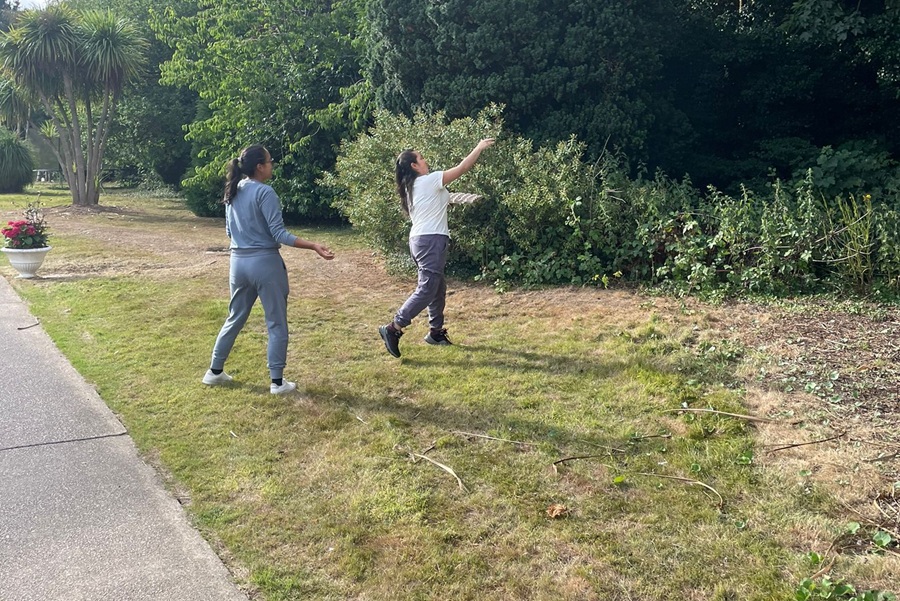
Once dry, they’re ready to be “planted” by tossing them into empty lots, neglected corners, or green spaces that need a little love. Be mindful to avoid private or protected land.

A Small Action with a Big Impact
Seed bombs aren’t just a fun activity—they’re a way to give something back to the planet. They bring color, life, and biodiversity to places that need it most. On a college campus, they become a way to learn, collaborate, and take real action for sustainability.
In a world that’s increasingly disconnected from nature, even the smallest gestures matter. So why not start with a seed? Or ten. Who knows—this could be the beginning of a greener future, right outside your dorm window.
By Gabriele Virgilito, Climate Activist team June 2025


