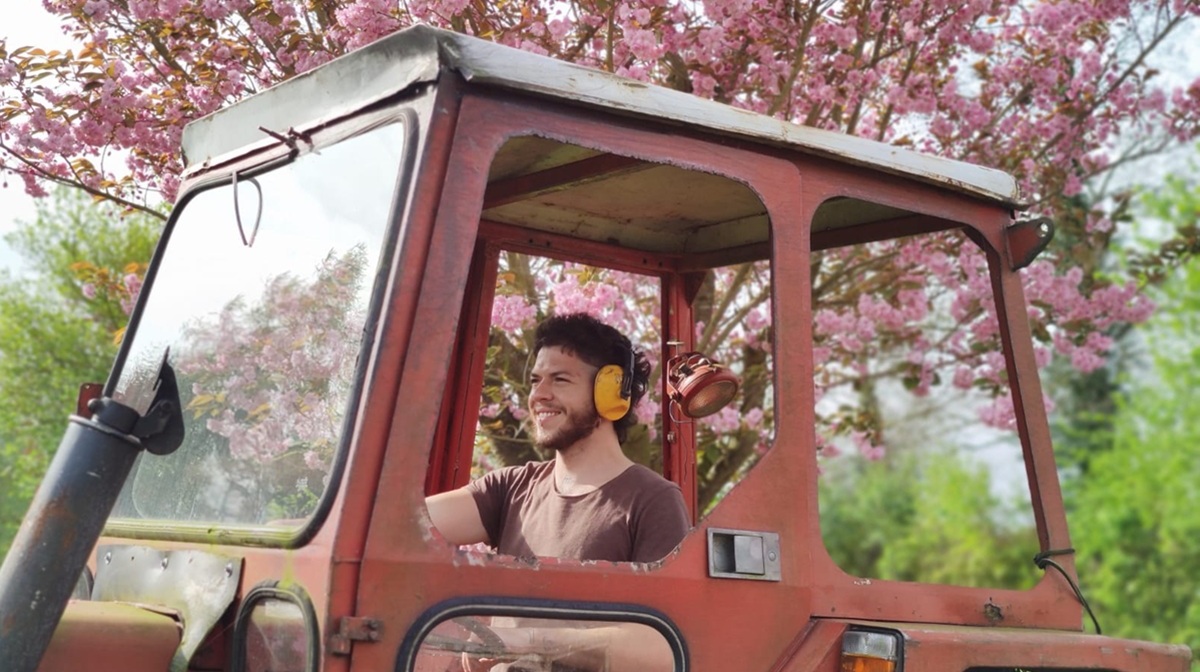
From Italy to England to Zambia – and back!

Jun 13, 2026 | After the Programme, Students Testimonials

Hello, I am Edoardo from Italy, and I will tell you about my experience in CICD!

Starting from my “Why”…

I joined the College for International Co-operation and Development (CICD) programme because I wanted to gain hands-on experience in international volunteering, personal growth, and community development by improving my English. This opportunity allowed me to challenge myself, step out of my comfort zone, and contribute to meaningful projects abroad.

The project that I joined focuses on spreading information about HIV prevention and treatment, supporting local communities through sustainable development initiatives, education, and cultural exchange. The aim was to empower local people by working with them rather than for them, creating long-term positive impact for all the community.

Edo with youth in Katete
Community experiences at CICD

My Role in the Volunteering Project

During my time in the project, I was working as part of a team to achieve the goals of the project, helping the local Clinic in Katete, a rural village in Zambia, Africa, to expand awareness to HIV positive people to give them a chance to live a normal and happy life.
I was participating in different activities such as community support work, saving groups, teens club, and practical daily activities within the local environment.

The Training Period in England

Before the project itself, I spent 3 months in CICD, in England. This period in the school helped me develop both practical and personal skills. I improved my ability to communicate in multicultural environments, to work in a team, and to manage challenges with a positive mindset. These skills were essential in helping me adapt quickly and contribute effectively during the project.

Enjoying life and hikes and nature!
What will the future bring...?

Future and Next Steps

This experience has had a strong impact on how I see my future. It helped me become more independent, resilient, and open-minded. I now feel more confident in pursuing international opportunities and continuing to grow both personally and professionally.

Why you should join CICD

If I need to tell you all the reasons I would never stop to write!

So I will give you 3 good reasons (excluding “because you will work for a better world” because it’s too easy), so that you can explore all your others reasons by yourself during your project.
1. It provides valuable hands-on experience in real community projects
2. It helps you develop important life skills such as teamwork, adaptability, and communication
3. It offers a unique opportunity for personal growth and cultural exchange that you cannot easily find elsewhere.

Overall, CICD has been a transformative experience. It challenged me, taught me a lot, and gave me a new perspective on global cooperation and development. I would recommend it to anyone looking for a meaningful and life-changing experience.



Latest Blog Post

The Hidden Side of “Help”: Why We Need to Rethink Development

The Hidden Side of “Help”: Why We Need to Rethink Development

We usually don’t think twice when we hear the word “aid.” Most of us assume that helping someone is always a good thing—after all, how could giving to the poor be wrong? But I’ve realized that there is a big difference between just being “charitable” and actually doing development in a way that changes lives forever.

I used to think that poverty was just a lack of money, but the truth is often about a lack of
access. For a long time, the traditional “aid industry” followed theories that didn’t really work on the ground.
A powerful example of this is the story of Muhammad Yunus. He met a woman who had to borrow less than a dollar from a moneylender just to survive, but the terms were so bad she was basically a slave. He realized that by giving just $27 out of his own pocket, he could free 42 people from that cycle. This wasn’t just “giving money”; it was proving that the poor—especially women—are trustworthy and “credit-worthy,” even without any collateral.
Another thing I never really considered is that real help doesn’t always need a big institution. In many places, people are creating their own “financial inclusion” without any banks. For example, in Mali, women form small groups to save their own money and lend it to each other. It only costs about $20 to train a member, and then the group can run itself for years.

This is so much better than just a “handout” because it builds social capital—the women gain confidence, learn to lead, and even start their own businesses.

Finally, we have to look at how governments help. In Brazil, a program called Bolsa Família has liftedd millions out of poverty, but it isn’t just a “free gift”. Families only get the support if they meet social requirements, like making sure their kids go to school and get vaccinated. This way, the help isn’t just a temporary fix; it’s an investment in the next generation.

The more I learned, the more I saw that the best kind of development is about empowering people to be their own driving force for change. It’s about building their capacities, so they don’t need “aid” anymore.

My Personal Turning Point I never used to think about the “aid industry” this way. I just thought help was help. But exploring these different models and seeing how much impact
“doing it right” can have has completely shifted my perspective. This is exactly why I wanted to create this article: to tell you about my favourite course and why it changed my mind. It was through these specific lessons that I truly understood how we can move beyond simple charity to real, sustainable change.

Thanks for reading, a. see you soon!

Clothes & shoes sales creating change in Zambia

Clothes & shoes sales creating change in Zambia

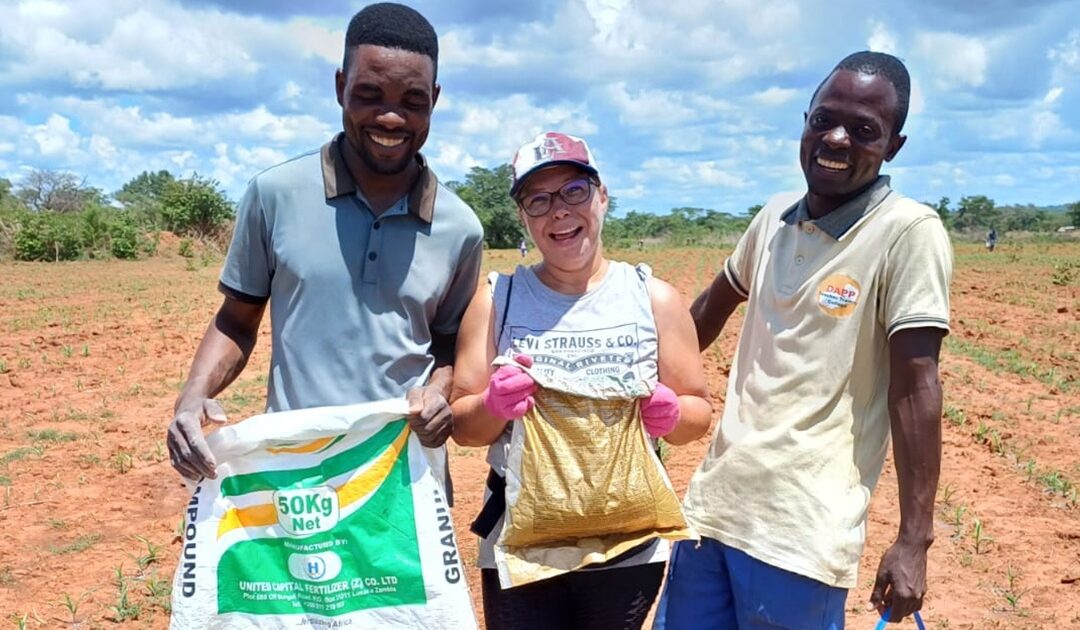
My name is Raquel Dávila, I am from Mexico and currently volunteering in Zambia as a Development Instructor (DI) with DAPP Zambia through CICD. When I first arrived in Zambia, I did not fully understand how much impact second-hand clothes can have in a community. Many...