By Sara Hallstrom, Mozambique / Climate Activist team February 2026
Hello, my name is Sara, and I am a student at CICD College. I joined the school in 2025 because I was interested in the unique programmes it offers, particularly the Climate Activist programme. The opportunity to learn more about environmental issues while working alongside people from different backgrounds was something that immediately caught my attention. I decided to arrive early to join the Gaia Scholarship programme so that I could raise a scholarship towards my course fees.
Unique programmes in a unique place
When I first arrived at CICD, I was immediately drawn to the architecture glowing through the rain on a dark evening. I was amazed by the vast amount of space the school had, with buildings that seemed enormous compared to those back home. The warm light shining from the windows created a comforting atmosphere, making me feel welcomed even before I stepped inside. From that first glimpse, I felt excited for what was to come.
On my first day, I was able to see the campus more clearly, and it did not disappoint. Each area has its own purpose; the kitchen, dining hall, dormitories, and garden, all working together to support daily life at the school. When I met the teachers and students, we exchanged smiles and greeted one another with genuine curiosity.
The Gaia period: repairing the collection boxes
That same day marked the beginning of my Gaia journey. I began helping with renovating containers used for clothes collection and school funding, which would be my project for the next two months. My tasks included scraping, wiping, drying, and painting the containers.
Although the work was sometimes challenging, it was also very fulfilling. I had the opportunity to share the experience with my colleague, learning new skills while contributing to something meaningful. During this time, I learned how to use new machinery, work effectively in a group, and develop many practical skills.
Before lunch, we had a short 30-minute break, while lunch was the longest break at one hour. This gave us time to regain our energy before continuing with the rest of the day’s activities. We were also free to play music during the day, which helped reduce boredom and made the atmosphere more enjoyable.
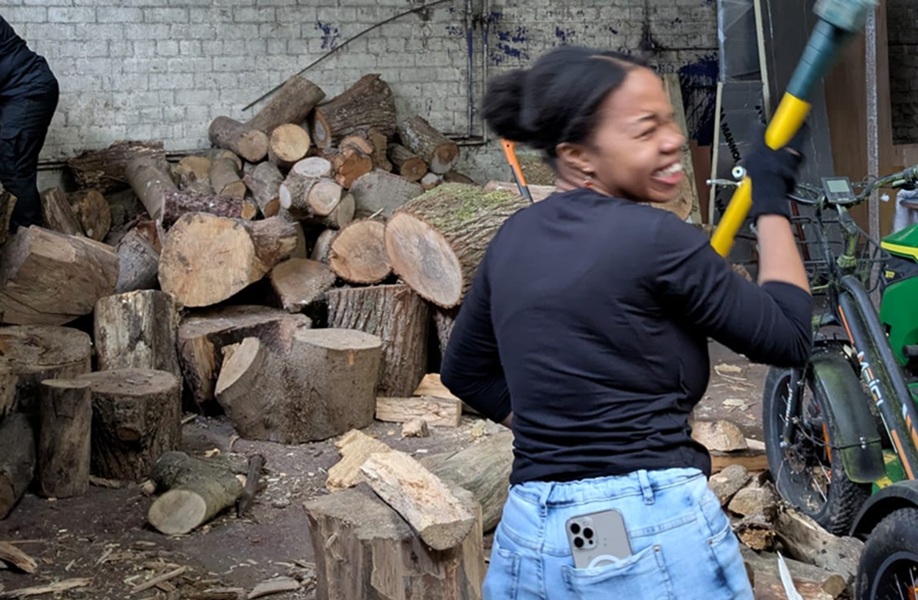

Running the school together: I love it!
I love the fact that everyone plays a role in keeping the school running. This is made possible through the school’s schedule system, where each student and teacher is assigned a specific task for the week. During that time, each person focuses on their responsibility, whether it is cleaning the kitchen, dining hall, classrooms, corridors, and other areas. At the beginning of the following week, the tasks rotate and new responsibilities are assigned.
This system keeps life at the school active and engaging. By regularly changing roles, it prevents boredom and repetition while also giving everyone the opportunity to learn new skills and contribute to the community in different ways.
One of the many things I enjoy here is the delicious food prepared by both the students and teachers of the school. I can’t remember ever going to bed unsatisfied, every meal was perfect and made with genuine care. If you’re someone that loves food, I guarantee that you’ll love it here.
The weekly Garden Day
Another thing I found joy in were the garden actions that takes place every Thursday. On this day, all the students and teachers would gather to organise the shed, weed the beds, and prepare the compost for the upcoming planting season.
I was fascinated by the number of cherry tomatoes we managed to harvest in the greenhouse, and even more amazed by the grapevines that had grown across the roof. Unfortunately, I arrived during the winter season, when most of the crops were no longer growing.
My whole experience throughout my Gaia course was honestly enjoyable, I felt like I used each day to the fullest.