Growing more than food: Our Garden Farm and Climate Centre

Aug 3, 2025 | Our Organic Garden Farm

Working together is the key!

At CICD, the Garden Farm and Climate Centre is more than a space for growing vegetables – it’s a living classroom, a lab for sustainability, and a place where climate activists are learning by doing.

Organic food production

We didn’t produce tonnes of crops this year, but we did grow diversity, and that matters. Radishes, broad beans, lettuce, herbs like mint and parsley, and even fruits like plums, cherries, and strawberries made their way to the kitchen. The fruit harvest this year is very promising, and soon we will be having our own potatoes!

We saved money in food costs, which is also symbolic. Every pound saved represents a plate served from our soil, not from a supermarket shelf! Our small patch is helping to feed.
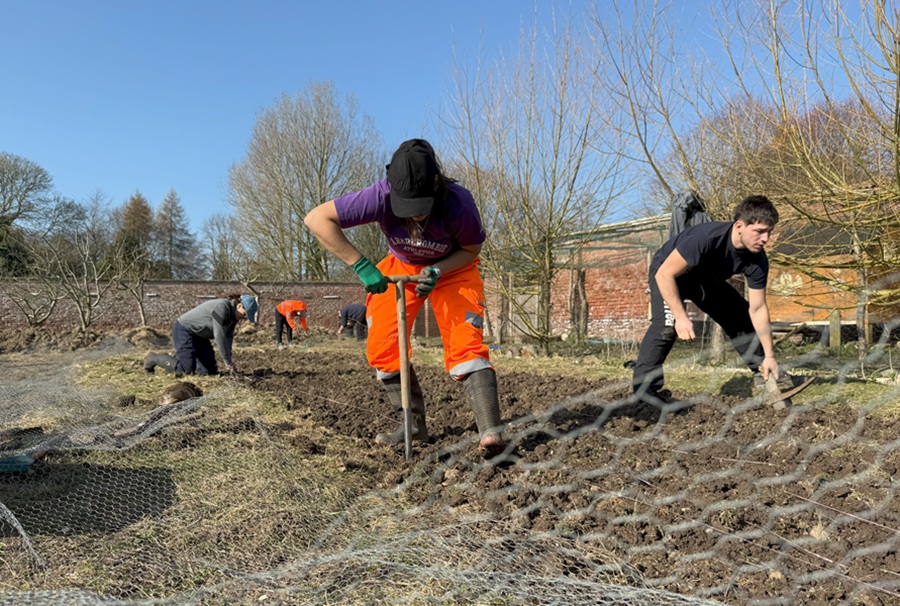
Preparing the potato field
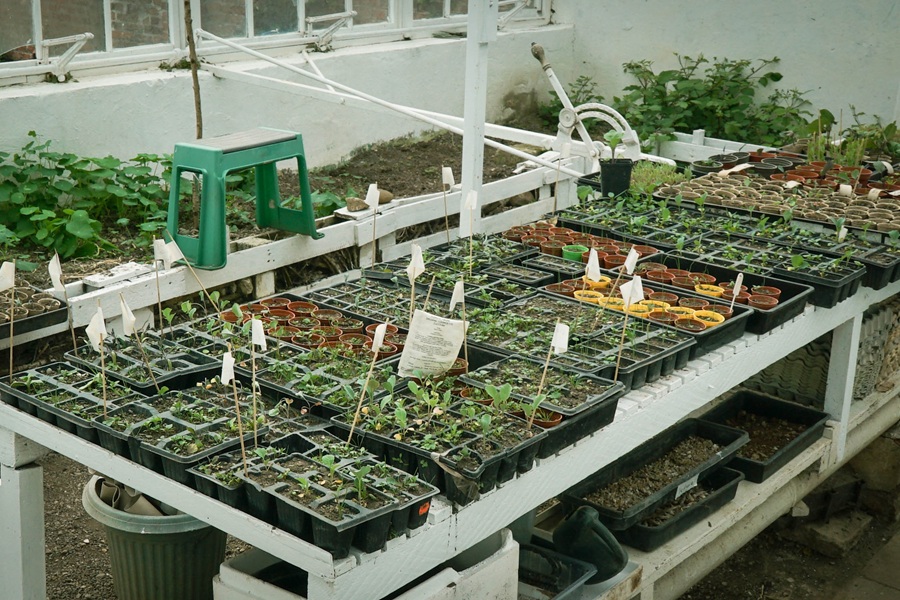
Seedlings in the green house, getting ready for planting

We are in the process of building coops for chickens and ducks, whose presence not only contributes with eggs and natural pest control but also teaches students about responsible animal care. We are also constructing a small pond for the ducks.

New achievements

  • Compost station right outside the walls of the Walled Garden.
  • Waste management initiative includes composting kitchen waste, producing biofertilizers, and reducing landfill impact. We are also experimenting with natural cleaners, herbal repellents, and other bio-products derived from our garden.
  • Seasonal Learning Zones for students to explore hydroponics, aquaponics, seed saving, biodiversity keeping, natural pest control, and regenerative soil practices. We are also starting a Pollinator Path, lined with native bulbs and flowering herbs.
  • 800 native wildflower seed bombs as part of a biodiversity restoration effort. These were distributed locally to promote pollinator health and rewilding.

Gabriele is one of our Climate Activists
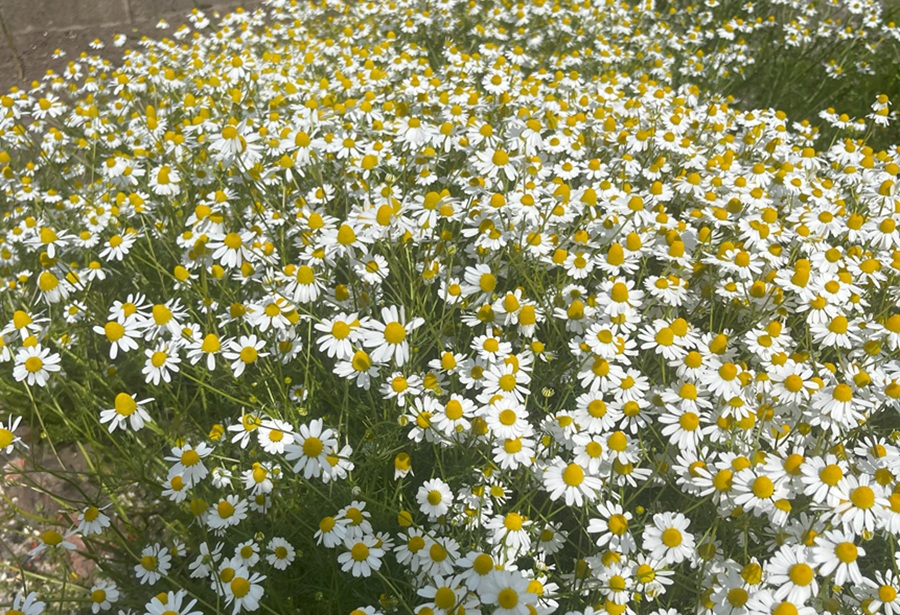
Pollinators like camomill are very important in the garden

Thursday Garden Actions

The weekly practical actions with all students, teachers and volunteers have become a weekly highlight. Here are some examples:

  • We prepared and planted many big beds of potatoes
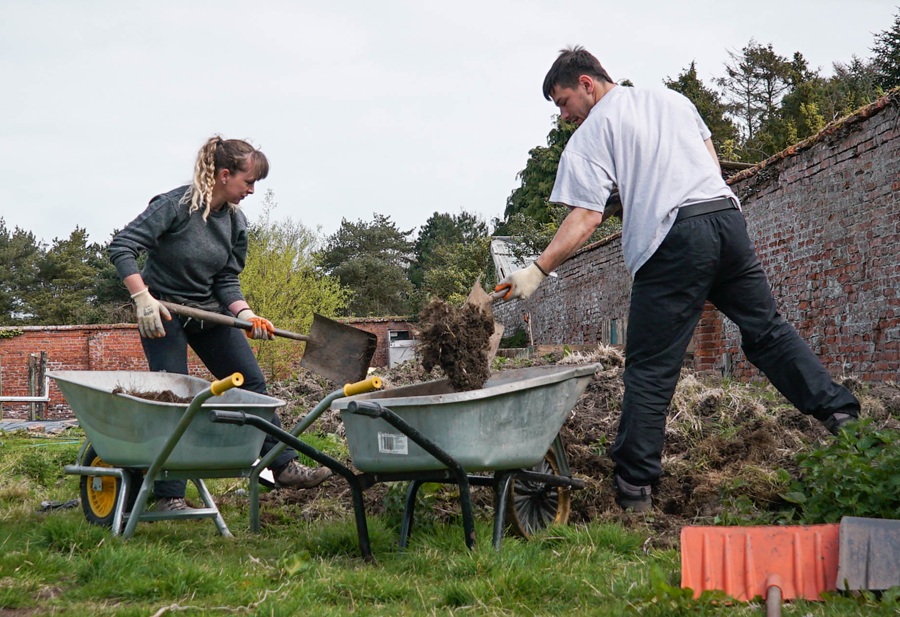
  • We made lots of compost and organic fertilizer
  • Seeds for many kinds of vegetables were planted in the greenhouse and then re-planted outside in the raised beds
  • We planted seeds in the green house, then later planting the seedlings out in the raised beds
  • We have been weeding and fighting the slugs (and repeat!) – we handled the slugs with ash barriers, chemical-free and fast
  • Clean-up actions in the park around the school, including restoring the area around the big pond

Looking ahead…

Our vision is bold but achievable: We have a five-year plan to produce 80% of what we consume of vegetables, herbs, potatoes and eggs.
We want to have lots of chickens and ducks again! And a barn is already prepared for the sheep 😊 Change can be slow, but together we can make it!
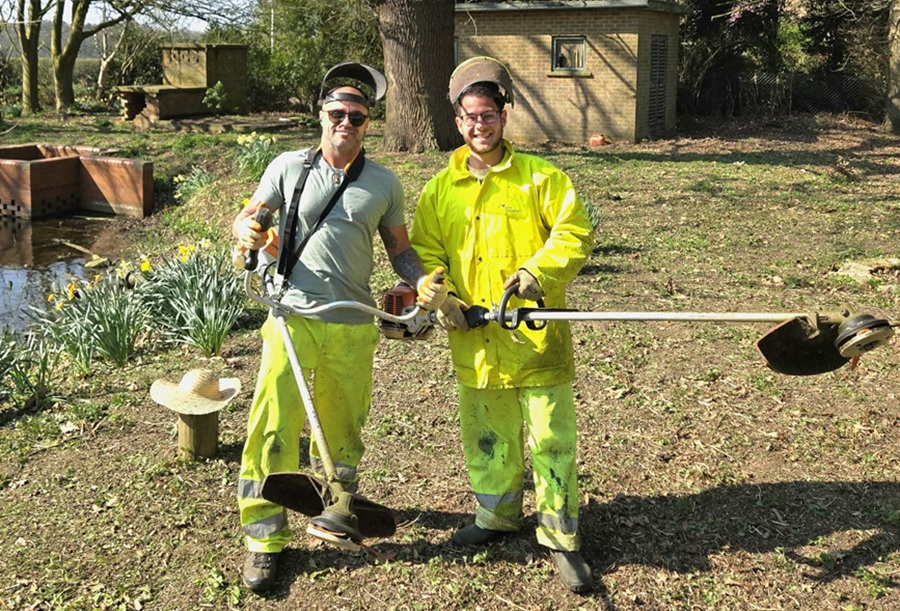
Diego and Gabriele clearing the area around our pond
Anelia and Pietro taking manure to the raised beds

Latest Blog Post

The Hidden Side of “Help”: Why We Need to Rethink Development

The Hidden Side of “Help”: Why We Need to Rethink Development

We usually don’t think twice when we hear the word “aid.” Most of us assume that helping someone is always a good thing—after all, how could giving to the poor be wrong? But I’ve realized that there is a big difference between just being “charitable” and actually doing development in a way that changes lives forever.

I used to think that poverty was just a lack of money, but the truth is often about a lack of
access. For a long time, the traditional “aid industry” followed theories that didn’t really work on the ground.
A powerful example of this is the story of Muhammad Yunus. He met a woman who had to borrow less than a dollar from a moneylender just to survive, but the terms were so bad she was basically a slave. He realized that by giving just $27 out of his own pocket, he could free 42 people from that cycle. This wasn’t just “giving money”; it was proving that the poor—especially women—are trustworthy and “credit-worthy,” even without any collateral.
Another thing I never really considered is that real help doesn’t always need a big institution. In many places, people are creating their own “financial inclusion” without any banks. For example, in Mali, women form small groups to save their own money and lend it to each other. It only costs about $20 to train a member, and then the group can run itself for years.

This is so much better than just a “handout” because it builds social capital—the women gain confidence, learn to lead, and even start their own businesses.

Finally, we have to look at how governments help. In Brazil, a program called Bolsa Família has liftedd millions out of poverty, but it isn’t just a “free gift”. Families only get the support if they meet social requirements, like making sure their kids go to school and get vaccinated. This way, the help isn’t just a temporary fix; it’s an investment in the next generation.

The more I learned, the more I saw that the best kind of development is about empowering people to be their own driving force for change. It’s about building their capacities, so they don’t need “aid” anymore.

My Personal Turning Point I never used to think about the “aid industry” this way. I just thought help was help. But exploring these different models and seeing how much impact
“doing it right” can have has completely shifted my perspective. This is exactly why I wanted to create this article: to tell you about my favourite course and why it changed my mind. It was through these specific lessons that I truly understood how we can move beyond simple charity to real, sustainable change.

Thanks for reading, a. see you soon!

Clothes & shoes sales creating change in Zambia

Clothes & shoes sales creating change in Zambia

My name is Raquel Dávila, I am from Mexico and currently volunteering in Zambia as a Development Instructor (DI) with DAPP Zambia through CICD. When I first arrived in Zambia, I did not fully understand how much impact second-hand clothes can have in a community. Many...