By Ariaidine Nunes da Silva, Brazil
A Purposeful Experience: My Journey at CICD and in Africa
If you seek personal growth and an opportunity to truly get to know yourself, CICD can be the turning point. Go with an open mind – the journey will be worth it.
I recommend this experience to anyone looking to live with more meaning.
If you are seeking a transformative experience with real impact that takes you out of your comfort zone, the CICD program is an excellent choice. It was undoubtedly one of the most meaningful experiences of my life. I was looking for something that would unite purpose, learning, and contact with different cultures — and I found it in a space that allowed me to grow, question, and build something significant alongside other people.
What I learned
Throughout this journey, I learned a lot about the world, about different ways of living, and most importantly, about myself. In addition to studying topics such as social justice and sustainable development, what truly stood out was putting things into practice: listening to stories, working the land, cooking together, and living with realities far different from my own.
One of the biggest lessons was learning to respect my own limits and my time. Amidst a busy and collective routine, I realized the importance of listening to what my body and mind were asking for. I discovered that knowing how to say “no” and taking time to pause is also an essential part of the process of transformation and helping others.
Daily life at CICD
CICD is located at Winestead Hall, an old English hospital surrounded by vast green fields. It is a living school, with a community garden, a shared kitchen, classrooms, and dormitories. At first, sharing spaces with people from different countries and cultures was challenging, but it quickly turned into valuable learning and collaboration.
At CICD, simplicity is a core value. We learned how to organize our daily lives, care for what is shared, and live sustainably. Daily activities were key to our learning: cooking in shifts, taking care of the space, planting food, studying in groups, and reflecting on our choices.
The classes went beyond the traditional classroom, and the garden, kitchen, or a conversation circle became the perfect place for learning.
A multicultural and welcoming environment
Although English is the official language of the course, it was never a barrier. The school brings together people from different parts of the world, with varying levels of English, ages, and experiences. The daily interactions taught me far more than any book could.
Six months in Africa: lasting lessons
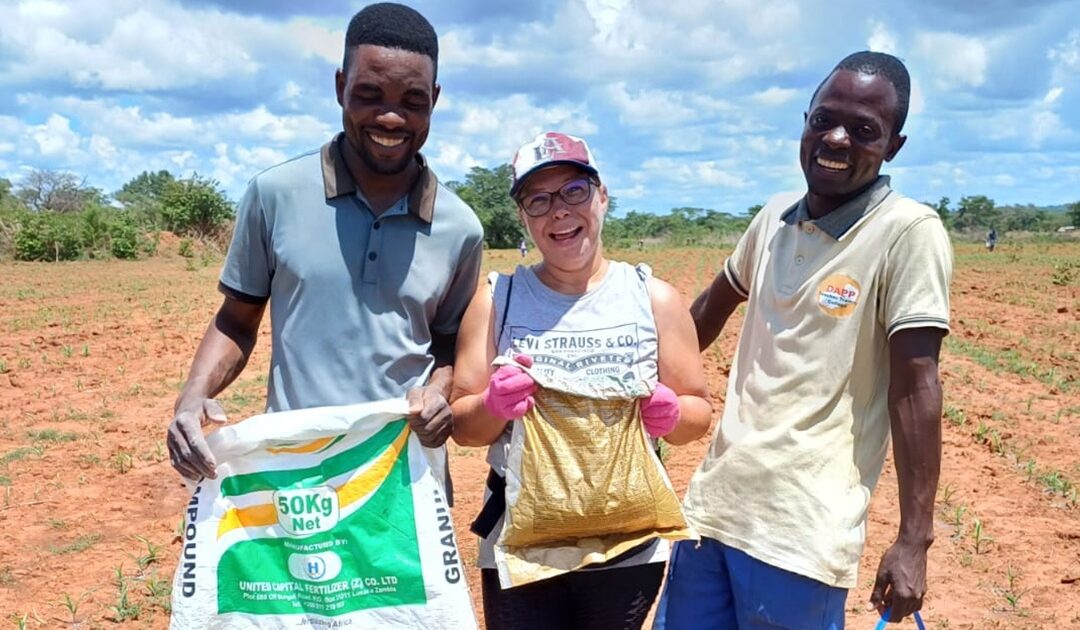
I spent six months in Malawi, as part of a project with the DAPP (Development Aid from People to People) organization. It was there that everything came to life. I worked directly at the school, supporting local communities, participated in educational activities, worked with children, and contributed to agricultural and sanitation projects. I also helped raise awareness about health and participated in community campaigns.
I didn’t go there “to teach”; I went to learn. And I learned about resilience, creativity, faith, and hope — even in challenging contexts. I saw how the strength of a community can transform realities. These six months showed me that we are all human, and despite differences in language, culture, and history, we have much in common. This experience helped me see with more empathy, gratitude, and responsibility.
What I carry forward
This experience renewed my desire to work on humanitarian projects, art, education, spirituality, and care for others. I now move forward with more clarity, courage, and a renewed sense of responsibility. My goal is to continue building bridges, creating positive impact, and creating spaces where people can grow together.
Why this experience was so significant to me
This experience took me out of my “autopilot” mode and challenged me to look inward and outward at the world around me. Not every day was easy; there were moments of discomfort, discussions, and an ongoing internal struggle. But above all, it was an opportunity to empower myself, discover new abilities, and make lifelong friendships. Every challenge taught me to observe my emotions and respect my limits, which became an essential part of my transformation.