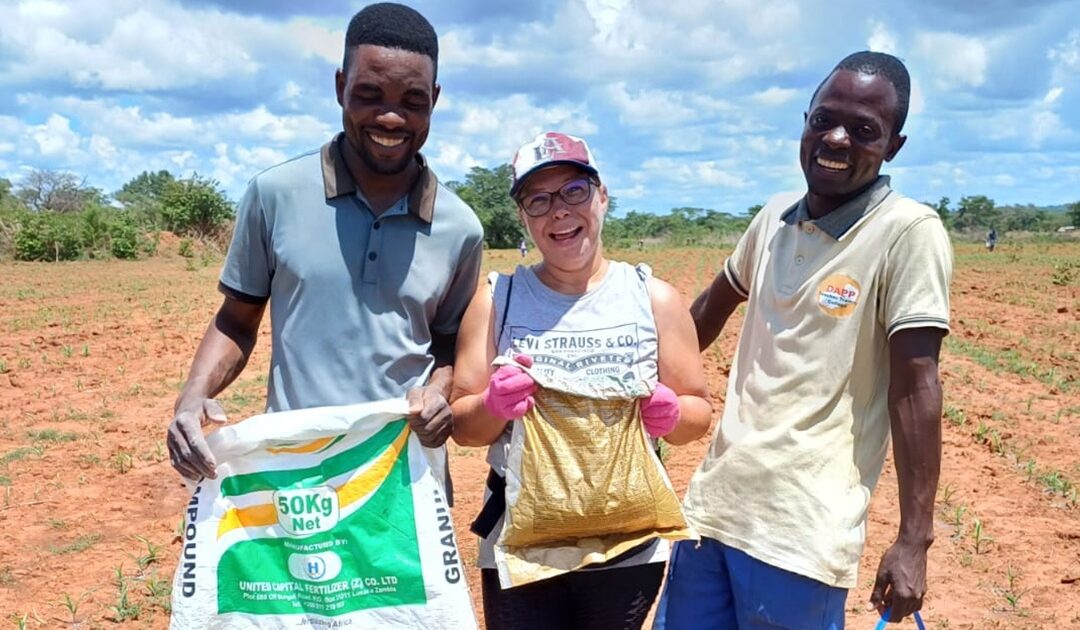
By Carolina Ortiz, Colombia / Volunteer for Change team October 2024
In search of a change in my life and new challenges….
Hello everyone, I’m Carolina, from Colombia. During the last year in Colombia, I was looking for new challenges and experiences for my personal growth, especially wanting to have a different perspective on the world and on the realities that many other people live daily, and be able to help, even in a small way.
While I was in this process, I came across CICD College, a place that sparked even more of my curiosity from the moment I learned about its programs and methodology, the opportunity to travel to Africa and learn more about the realities here.
I was also interested in its study method, life in community as well as the possibility of meeting people from all over the world and hearing their experiences.
After a few months, I arrived here in England to embark on this great adventure by joining the 10-month Volunteer for Change Program.
Arriving at CICD – overcoming the fear of expressing myself
At first, it wasn’t easy, as adapting to the culture and the language barrier were two of my biggest fears. But, like anything, it’s part of the learning process, and little by little, I’m improving my skills in this area. The best part is overcoming the fear of expressing yourself—through practice and immersion in an English-speaking country, it’s much easier to acquire the skill.
So, if you think it’s a barrier for you, don’t see it that way; it’s a great experience, and rest assured, you will learn a lot. Sometimes, you just have to take risks without overthinking it.
On the other hand, the daily routines and life at CICD can be a bit challenging for some, but it’s a process of adapting and making sure everything in the College works properly for the good of the whole community. Here, we all cook, we have spaces for the care and cleaning of the College, but we also have leisure and fun activities. For example, in October for Halloween the whole community came together to decorate the main dining hall, have game nights, go to a pumpkin farm, play volleyball tournaments, among many other things.
My participation in the Gaia Scholarship Program
I had the opportunity to participate in the Gaia Scholarship Program for two and a half months before starting my volunteer program. During that time, I supported the Programs Promotion Office, where I learned more about managing social media and, of course, guiding people interested in participating in CICD’s volunteer programs. It was a time of great learning and great teamwork.
Starting a new adventure as a Volunteer for Change
Finally, on October 7th, I officially started my training program. One experience that I keep in mind is the task of writing a list of the top 10 skills that a Development Instructor should have. This was not an easy task, as a team we had a list of at least 20 or more, but after a period of discussion and moments of indecision, we managed to incorporate the most important ones for us, learning from this experience how crucial it is to learn to listen, to have good communication, to respect others’ opinions, and to reach a consensus as a team. This is just a small example of my experiences during this time.
On the other hand, in my training program, I’ve had the opportunity to learn about topics in geography and history in more detail, such as Colonialism and Imperialism—topics that we may have touched upon in school, but at the time, they didn’t seem very relevant to me. With one of these topics, I had my first People’s Exam – my first public presentation in English in front of the entire community. We creatively delivered a message about the background and negative influence these processes have had, specifically focusing on the African continent.
Africa has suffered the consequences of colonialism and has been labeled as one of the poorest regions in the world, when ironically, it is a continent rich in natural resources, agricultural land, fertile soil, and cultural heritage. However, due to decisions and actions made in favor of “First World” countries, Africa is currently in this state of poverty, with major issues in education, health, access to basic needs, and many other challenges. I could go on describing these issues, but I can sum it up in one word: “inequity.”
Creating development to reduce inequity
This motivates me even more to live this experience, and not just going to help as a volunteer, but also learning from the people we meet. Whether through educational, health, or community projects, I’m excited to grow personally, develop new skills, such as leadership (which I’m not very good at, but I’m working on), and discover many other abilities that I’m still uncovering.
Each day, I learn more about the reality of our world, how it works, and why. I see how the most powerful countries continue to hold power by implementing strategies, tricks, and tactics to maintain it, prioritizing their own benefit. At the same time, sadly, people who should really have it are excluded from the systems in which they live. However, with small actions, we can start generating change, and that’s why I thank God and life for this magnificent opportunity to be part of this volunteer program.
Learning many practical skills
Additionally, during this time, along with my team, I’ve had the chance to engage in different practical activities, which is one of the main philosophies and actions at CICD—”Learning by Doing.” This has been really meaningful in acquiring the knowledge and skills necessary to develop whatever we set out to do. I’ve worked on activities that I had never done before, such as creating a water filter, a task we are still improving; making candles using oil and paper; washing clothes by hand; and more recently, we’ve been working on bicycle repair. Bicycles can be an excellent transportation tool in Africa, so as a team, we decided to learn more about it and train by doing bike outings. It has been something new for me, but at the same time, it’s been very interesting to discover new skills and capacities through all these activities—not only for my trip to Africa but for life in general.
A message for you thinking about starting this great adventure…
Finally, I want to leave a small message to all the people interested in joining one of the volunteer programs offered by CICD. Taking the risk to embark on this adventure is not easy, as you leave behind many things, including your family and your comfort zone, among others.
But if you really want to take the risk, don’t hesitate to do it.
It will be worth it, because not only will you gain knowledge, but you will also develop many practical skills, learn to take a more critical stance toward our reality in the world and society, and by taking this first step, we are contributing in some way to the change we want to see—a world with more equity, a world where all people, regardless of difference, have equal access to the conditions we all deserve, respecting the most valuable thing for every human being: our life and our rights.