By Ana Jesus, Poverty Activist team August 2023
My name is Ana and I will tell you about my impressions of Malawi – the culture, the people and the impact that had in me.
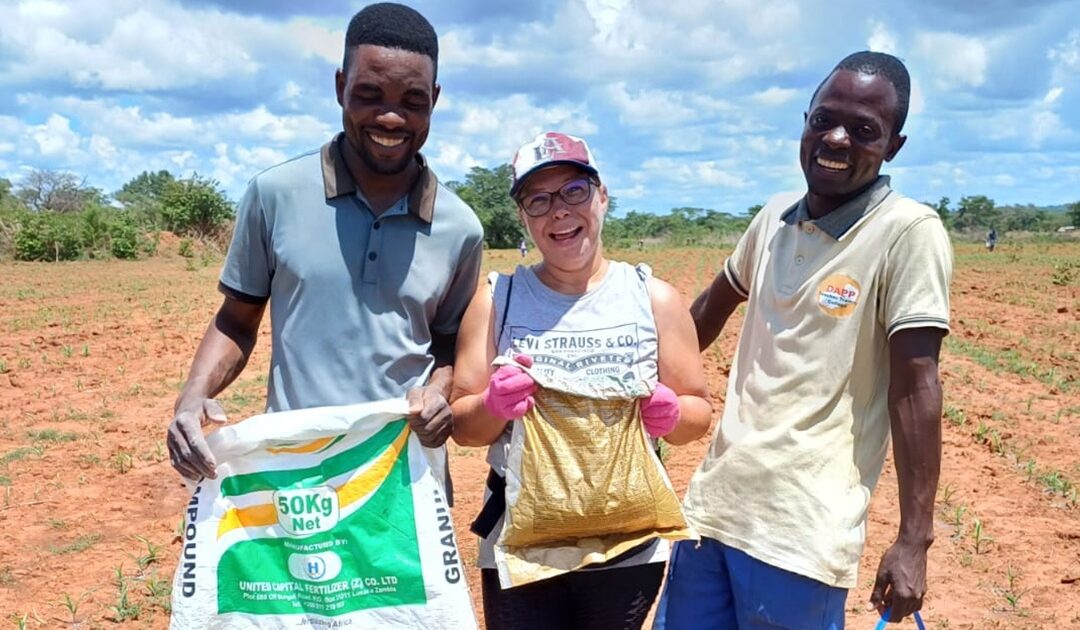
I did the 12 month Poverty Acivist programme – with 5 months of preparations at CICD, 6 months at the project country (Malawi) and 1 month back in England for the Bringing It to the Public. Toghether with my Trio – Ivett, Peter and myself, in Amalika we worked with two different projects, as Pre-School Supervisor and Core Group Teacher. During 6 months we worked towards sustainable development – which I will tell you about it in details in another article, comingt soon.
As I stepped into Malawi for the first time, I felt myself excited and nervous. I had read about the country, known as the “Warm Heart of Africa”, and soon I realised that what I read was not close to the beauty I have encountered. I found myself travelling to Amalika, a forest in the green hills of Southern Malawi. I went there for a Community Development project, but whatever I got back from this experience was way beyond what I had expected.
Discovering the culture of Malawi
One of the first things I noticed in Malawi was that people were warm and friendly. At each stop, I heard everywhere “Nsungo”, a Chichewa word that means “the white”, which means much more than that, like a greeting.
Life in Amalika is community-based. Living in small rural villages where all people know their neighbor, they work the land together to bring in most of their food. Despite the hardness of life, people of Amalika have within them the traits of resilience and joy. They are proud of their traditions, which include dances and music that play an important part in every day life.
The family is the rock of Malawian culture: one is raised by the village, not just parents. The elders of the community are respected and they are listened to, their advice is filled with knowledge and insight. It is an overwhelming sense of community that really touched my heart and opened my eyes to how much we can learn from cultures who actually put such an emphasis on togetherness and looking out for one another.
Long term Community Development
The project in which I participated dealt with sustainable community development. It was not about giving immediate help; rather, it was about bringing long-term change.
One of the things that became very clear to me, is that development is gradual and requires patience. It is not a question of merely giving aid or building something and leaving. Rather, it’s giving the local people the tools and empowerment to go on improving their lives long after we’re gone.
Sustainable development is about partnership: listening to the needs of the community, respecting their culture, and finding solutions that will last. It’s not always easy, but it’s the way to participate in a change they want to make.
I would like to invite you to read my next article, where I will write about the pre-schools project in details, and about my team and the community involvement.
The impact on my life
Amalika definitely changed me in ways I had never expected while living in the valley. I learned the beauty of sharing a meal together, dancing, receiving and being open. In an important way, this is Community and what we are capable of achieving when we put our hands together.
More than anything, however, I learned that development is not just about economic growth or infrastructure; it’s about people, their dreams, their potential. It is about the relationships built and a sense of hope continuing to grow long after we leave.
Leaving Malawi was hard, but I carry with me the memories and lessons that will stay with me forever. I am grateful for the opportunity to have been a part of something bigger than myself.
Malawi, with its warm heart and beautiful people, has a special place in my heart. I encourage anyone who has the chance to experience this incredible country and its culture to do so. It’s a journey that will change you in the best possible way.
See you soon.