My first 2 months in the Gaia team – Viki’s story

Oct 11, 2022 | From the Gaia course

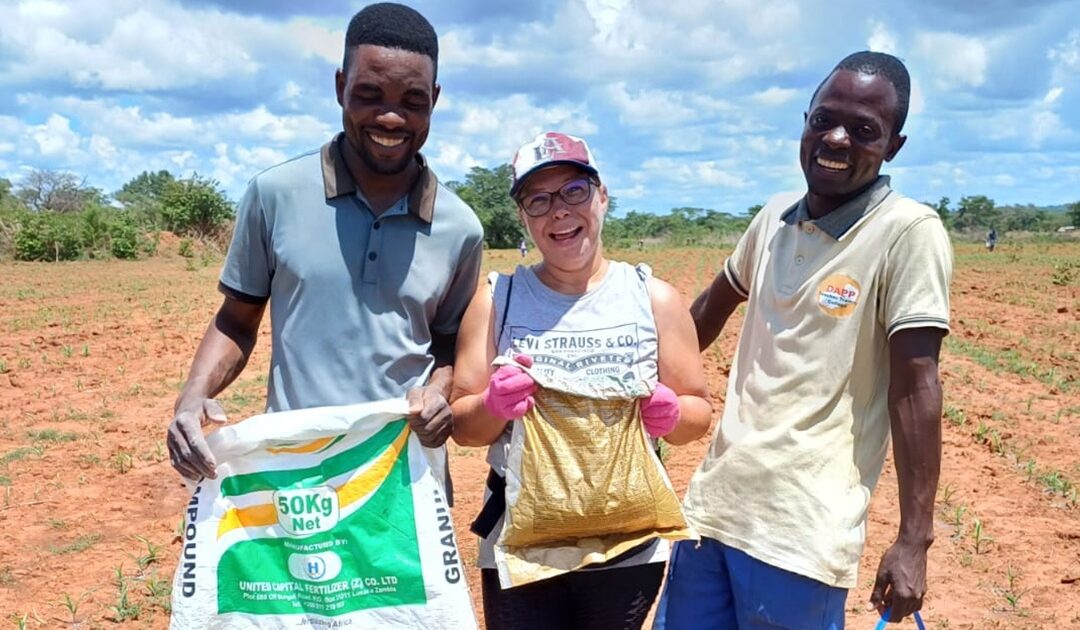
I am Viktória Borbély, a participant in the Gaia scholarship programme from August 2022. At first I didn’t think I would apply because I thought it would be a huge change. But I finally made up my mind and went for it. But at the moment, even after being here for several months, I consider it a very good decision, with plenty of opportunities for development, it constantly gives new impulses and impressions. Being here makes you develop, with the aim that everyone wants to give something to the world, this results in the creation of a wonderful harmony, and also gives a sense of security, because I feel like I’m in the right place. I have always been interested in environmental protection and nature, and I can use this interest in our Gaia classes. Last but not least, taking responsibility as part of a team teaches me social life, which I used to shy away from – but the opposite happens here. Communication in English was very difficult at first, but every day it inspires me to understand other people’s stories and improve even more in the assigned class tasks. I am inspired by the positive feedback and I see my personal growth week by week. I have also always been interested in world events, injustices against the environment and people. In addition to the importance of environmental protection, I believe that the next important aspect is people’s quality of life, improving it according to their circumstances and possibilities. After the preparation and cultural knowledge in the framework of the Poverty Activist programme, it will be possible for me to really see the situation in Africa and to see with my own eyes peoples’ life and problems that I can actively participate in solving. By completing the 12 month programme I want to invest in the future and travel the world to help and bring justice to those who have been fed lies by the media and see only one side of the issues. Maybe I was like that, but now I have changed and this place is a good opportunity for this. The interesting thing about the preparation is that our community consists of people from many different countries and cultures (we have Hungary, Chile, Colombia, Brazil, Denmark, Sweden, Romania, Spain, Portugal, Argentina, Syria, Jordan…. ) so even in these first months we can gain knowledge about other countries, cultures, and their economies. Do you know where Hungary is located on the map? Have you ever eaten goulash soup?

Latest Blog Post

The Hidden Side of “Help”: Why We Need to Rethink Development

The Hidden Side of “Help”: Why We Need to Rethink Development

We usually don’t think twice when we hear the word “aid.” Most of us assume that helping someone is always a good thing—after all, how could giving to the poor be wrong? But I’ve realized that there is a big difference between just being “charitable” and actually doing development in a way that changes lives forever.

I used to think that poverty was just a lack of money, but the truth is often about a lack of
access. For a long time, the traditional “aid industry” followed theories that didn’t really work on the ground.
A powerful example of this is the story of Muhammad Yunus. He met a woman who had to borrow less than a dollar from a moneylender just to survive, but the terms were so bad she was basically a slave. He realized that by giving just $27 out of his own pocket, he could free 42 people from that cycle. This wasn’t just “giving money”; it was proving that the poor—especially women—are trustworthy and “credit-worthy,” even without any collateral.
Another thing I never really considered is that real help doesn’t always need a big institution. In many places, people are creating their own “financial inclusion” without any banks. For example, in Mali, women form small groups to save their own money and lend it to each other. It only costs about $20 to train a member, and then the group can run itself for years.

This is so much better than just a “handout” because it builds social capital—the women gain confidence, learn to lead, and even start their own businesses.

Finally, we have to look at how governments help. In Brazil, a program called Bolsa Família has liftedd millions out of poverty, but it isn’t just a “free gift”. Families only get the support if they meet social requirements, like making sure their kids go to school and get vaccinated. This way, the help isn’t just a temporary fix; it’s an investment in the next generation.

The more I learned, the more I saw that the best kind of development is about empowering people to be their own driving force for change. It’s about building their capacities, so they don’t need “aid” anymore.

My Personal Turning Point I never used to think about the “aid industry” this way. I just thought help was help. But exploring these different models and seeing how much impact
“doing it right” can have has completely shifted my perspective. This is exactly why I wanted to create this article: to tell you about my favourite course and why it changed my mind. It was through these specific lessons that I truly understood how we can move beyond simple charity to real, sustainable change.

Thanks for reading, a. see you soon!

Clothes & shoes sales creating change in Zambia

Clothes & shoes sales creating change in Zambia

My name is Raquel Dávila, I am from Mexico and currently volunteering in Zambia as a Development Instructor (DI) with DAPP Zambia through CICD. When I first arrived in Zambia, I did not fully understand how much impact second-hand clothes can have in a community. Many...