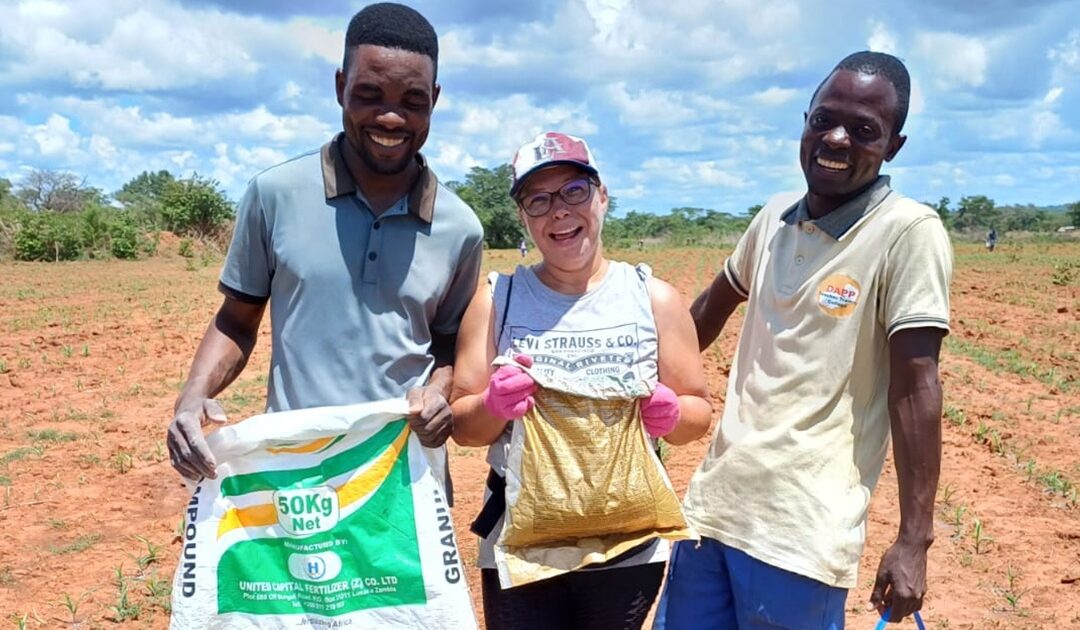
WHY I DECIDED TO VOLUNTEER
We say we love Nature, but do we really care about it?
We say we love people, but do we know what is going on around the world?
Do we know something about pollution, hunger, slavery, illnesses, forced prostitution and child abuse?
Maybe we know a lot of things, maybe we can watch a touching doumentary and feel deep emotions for an hour or two, but then we always go back to our little structured reality made of work, family, hobbies and stuff.
I was growing up between school, family and friends, struggling with what my place on the globe should be.
Asking myself “What do I like to do?” I didn’t reach any answer because I have quite a lot of passions, so I started to look for how can I be beneficial to the people who really need something.
Human being as a “social animal” should engage himself into making other human being’s situation as good as possible to guarantee the development of the species.
CICD is the kind of school which offers you a 360 degrees view of the world, it increases your consciuosness about the realities far from yours, it provides different projects and you can find which one fits you more, it teaches you how to develop leadership intelligence so you can grow up personally and professionally, it sends you to a country in Africa, India, Carribean to do something tangible and longlasting, working toghether with the local people, caring about the environment, community development, health, or education. This school educates volunteers.
But why is volunteering worth it – also for you?
1) It helps you to develope competencies. Working with others you increase the community sense and hear different experience and different points of view which can make yours much more complete. You are a learner and a teacher at the same time. The skills you develop will be useful for the rest of your life.
2) It increases your self-confidence. You feel a sense of accomplishment in seeing the actual results of your work and commitment.
3) It is good for your health. According with the “International Journal of Person Centered Medicine” the people who do something for others live an happier and healthier life, which means that you can actually live longer. This survey also shows that the people who volunteer is scientifically less hopeless and lonely than the people who don’t.
4) It is good for your CV. The skills you learn volunteering are often demanded by hirers. At the end volunteering is still a job experience but without salary. A national study in America shows that the 90% of the managers of “Fortune 500” agencies had stated that volunteering helps to develop team-working and offers precious opportunities of professional development.
5) It helps you to reflect on your life. If you volunteer you realize how lucky you are, it makes you appreciate more what you have and people around you, if you are in contact with poverty, illnesses and so on you become more thankful and conscious of your position.
6) It creates a real change where it’s needed. CICD and volunteering in general contribute to create a real change in the world. It’s not just nice words, but actual action, is people engaging themselves to make the Earth a better place, volunteering is generating hope for a better future.
Together with Humana People to People, CICD has played its part in building schools in Malawi as well as in Mozambique and in Zambia, the volunteers fixed water pumps which were not working, they taught how to build up latrines and they organised events to raise money to fund all these activities, they mobilize communities to develop, they also train teachers to bring education to people in poor rural areas.
If you want to be part of this big project which is joined by more people everyday, just contact us and we’ll be happy to give you all the informations you need.