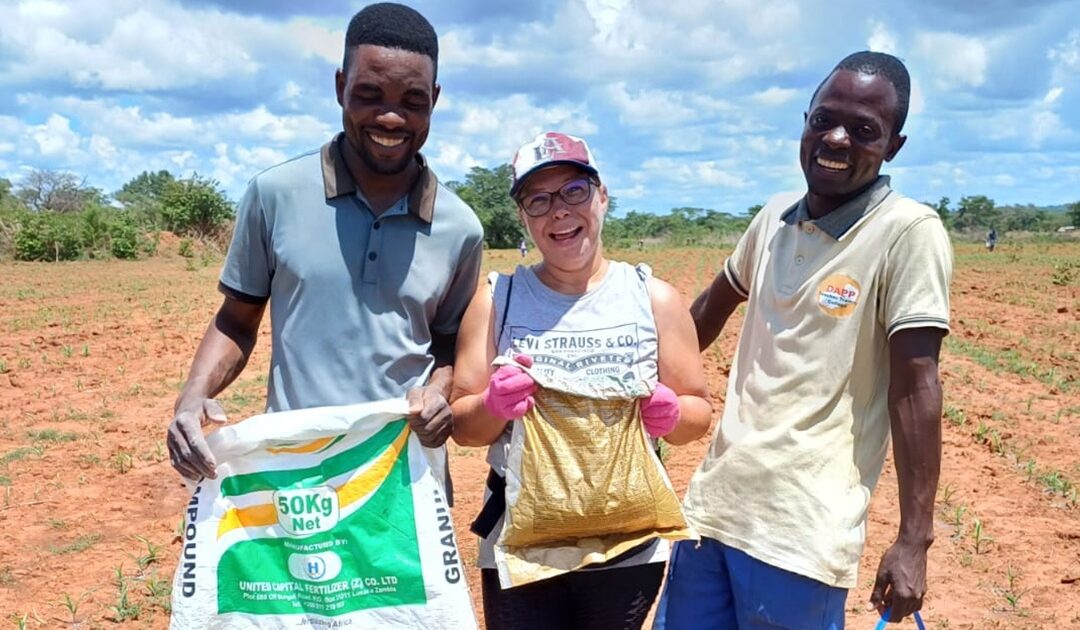
Hello!
My name is Fabio Oliveira, I’m from Brazil and I’m 38 years old.
In this article I will try to explain how I got here, from the search for CICD, the life I had to leave behind in Brazil, momentarily, and also a little of my first impressions of what I have experienced so far, considering that I have been here since 01/02/2026.
The trigger
I have a degree in Civil Engineering, graduated in 2013, and since 2009 I have been working in the area. The reasons that led me to choose this area can be described, or not, elsewhere, at another time. Anyway, I’m going to jump straight to 2025, a year that I can easily describe as the worst year of my professional life.
I worked in a company in Brazil, in Porto Alegre, and we can say that an opportunity in another sector in that same company arose or made it arise, I will never know the truth about it. I was excited about this opportunity, so I accepted. I regretted it a lot because I was simply put aside within the team and spent the year doing very little and even that little meant absolutely nothing to me.
The search for the new
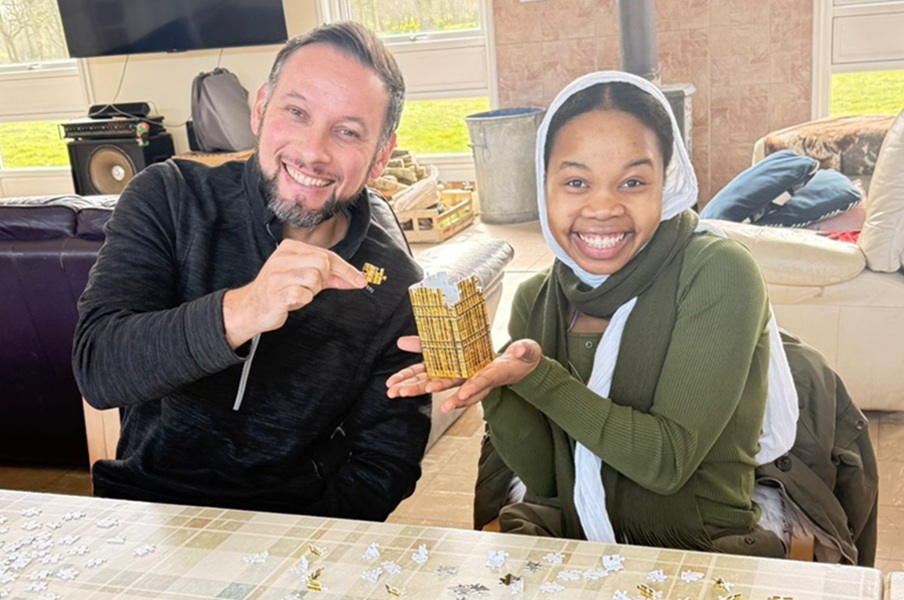
Within the scenario I described above, I started to question some things I was doing in my life and decided to try something new. I researched about several things, from exchange in Australia, spending time with my sister in Norway or volunteering somewhere. After these searches, I ended up finding this place in England that offered something very close to what I was looking for, I believe.
And that’s how, after some conversations with Marie Forell, I decided that I would spend the year 2026 at CICD and in Africa.
Letting go of some things
So in November 2025 I quit my job, ended my relationship, sold the apartment and put my things in a shed in the city where my mother lives. The month of December was really very difficult for me, but the decision had already been made and I understand that it is part of this whole process that I proposed.
Arrival and first impressions
On 01/30 I arrived in London and stayed until 02/01, to get to know a little of the city. My train journey to Hull was scheduled for 12:34 but lucky for me, it was delayed almost 2hr. And because of this delay, I arrived late in Hull and it was already getting dark. I took a 1-hour bus, walked another 25 minutes and finally arrived at school.
The reception was very good, the students were having dinner, so I had the chance to meet everyone and at the time I already had that mixed feeling of excitement, fear, accomplishment for being in that great hall that I only saw in the photos before.
Initial 14 days
On Monday, we already had a meeting to decide some responsibilities, which are many, and I got to know the school’s facilities. I met our teacher and we had an overview of the activities of these 3 months here.
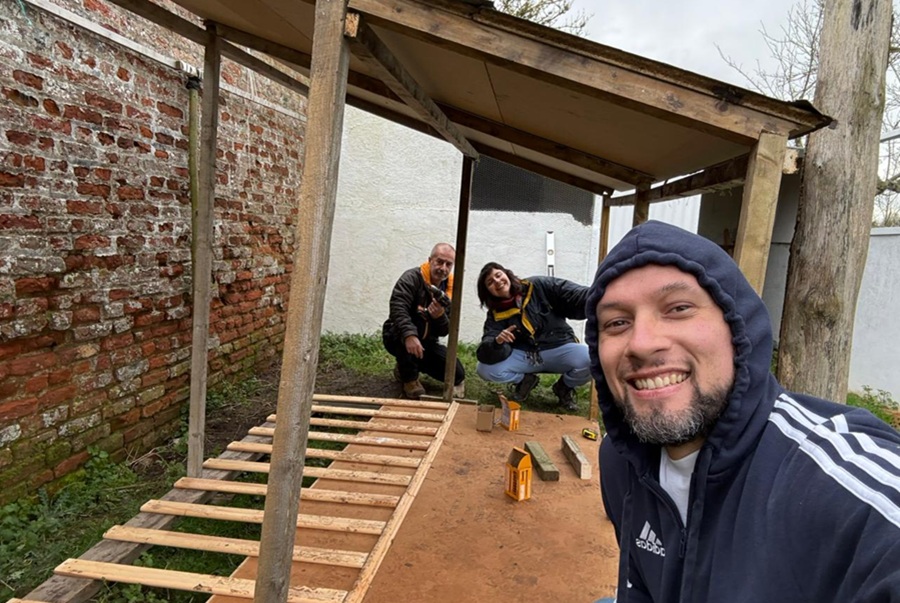
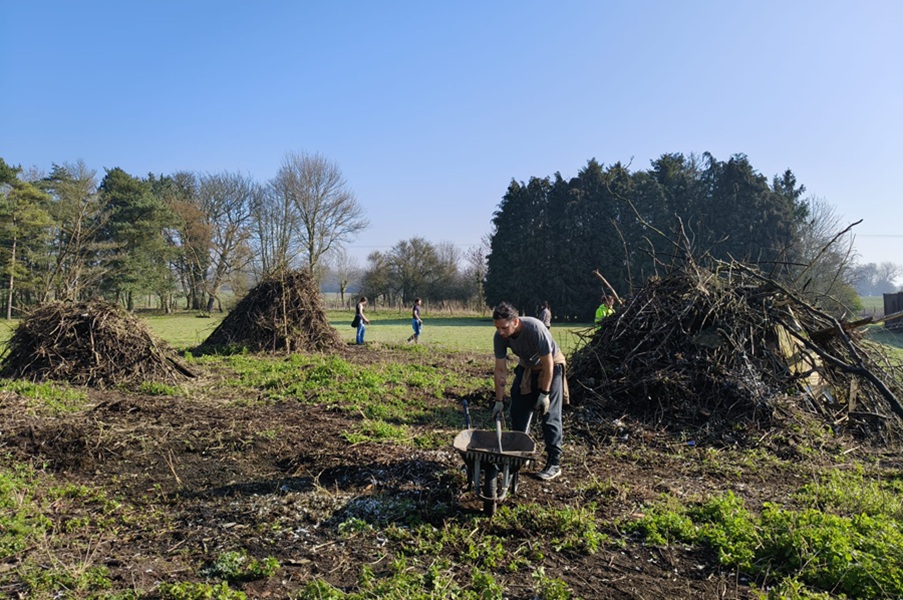
In addition to classes that help us understand the world historical context and the country we will be going to, we also have practical activities such as gardening, farming, cleaning in general, cooking (a problem for me) and much more. All of this contributes to the development of a sense of community.
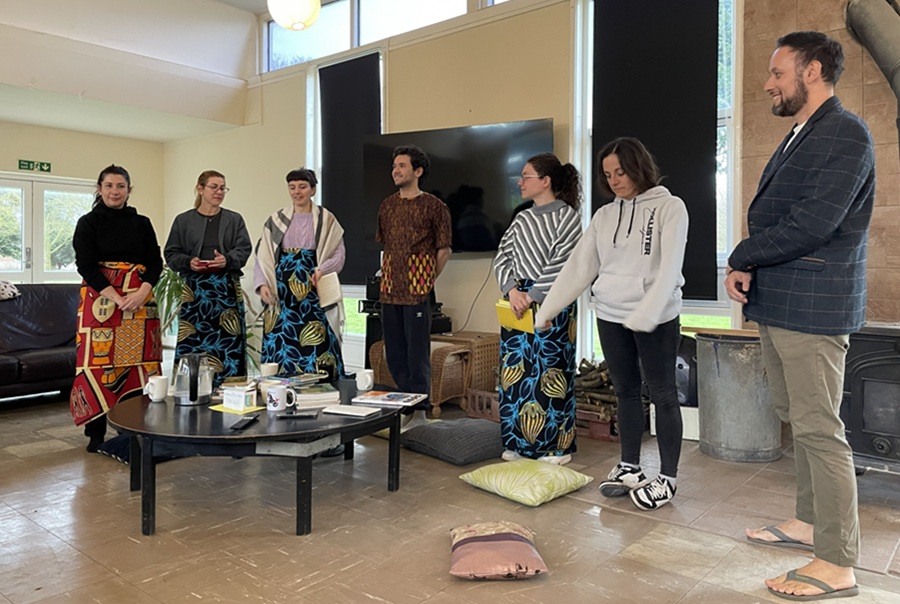
We also had the opportunity to watch some presentations from students and teachers about the time they spent during their volunteering and it was very beautiful to feel the emotion they feel when they talk or look at an image of the moments they spent.
Finally, I can say that the feelings I expected to feel in these first days are in line with my expectations, both good and bad, but I know that I am on the right path and I feel that I have the support of both my classmates and teachers.
Good things are to come.
Thank you,
Fabio Oliveira Bourdeaux.