By Melanie Pita, team teacher at CICD
Where challenges shape us, and students teach us as much as we teach them.
To teach at CICD is to choose a different kind of education — one that doesn’t fit neatly into the boxes of traditional classrooms, national curriculum, or predictable routines. It is a kind of teaching rooted in movement, activism, development work, and the belief that people can grow extraordinarily when they are trusted, challenged, and held by a community that sees them.
Being a teacher here is a way of standing in the world.
Every team that arrives carries stories, expectations, fears, questions, and dreams. And as teachers, our task is not to shape them into something we want — it is to walk beside them while they discover who they are capable of becoming. Is it easy? Is it easy to do this every 3 months? No, it is not easy but there is more to it….


The Challenges — Where Growth Begins
Working at CICD means facing challenges that require patience, creativity, humour, and emotional resilience.
Some students arrive unsure of themselves, insecure, or carrying past pains. Others join because they want to “help”, but quickly learn that development is not charity — it is partnership, humility, and long-term commitment.
There are days when:
• students question everything, including you;
• group dynamics crack under pressure;
• motivation drops;
• reality hits hard during the preparation for development work and anxiety settles in;
• discussions about poverty, injustice, or global inequality bring tears or frustration;
• differences in culture, personality, and values clash.
And as teachers, we are not above the process. We learn how to mediate, hold space, guide, and sometimes simply breathe through the chaos.
But these challenges are not failures — they are evidence of real learning.
Transformation does not happen in comfort.
It happens in the messy, imperfect, emotional spaces where people confront themselves.

The Highlights — The Quiet Miracles
For every difficult moment, there are ten extraordinary ones.
There are the moments when a student, who once struggled to speak, suddenly leads a building weekend with confidence.
Moments when a student who thought they had “nothing to offer” realises they can build, teach, organise, communicate, and inspire.
Moments when a group that couldn’t agree on anything suddenly works with unity and laughter, pushing forward.
As teachers, we see courage in real time:
• a student helping another without being asked;
• someone overcoming their fear of public speaking;
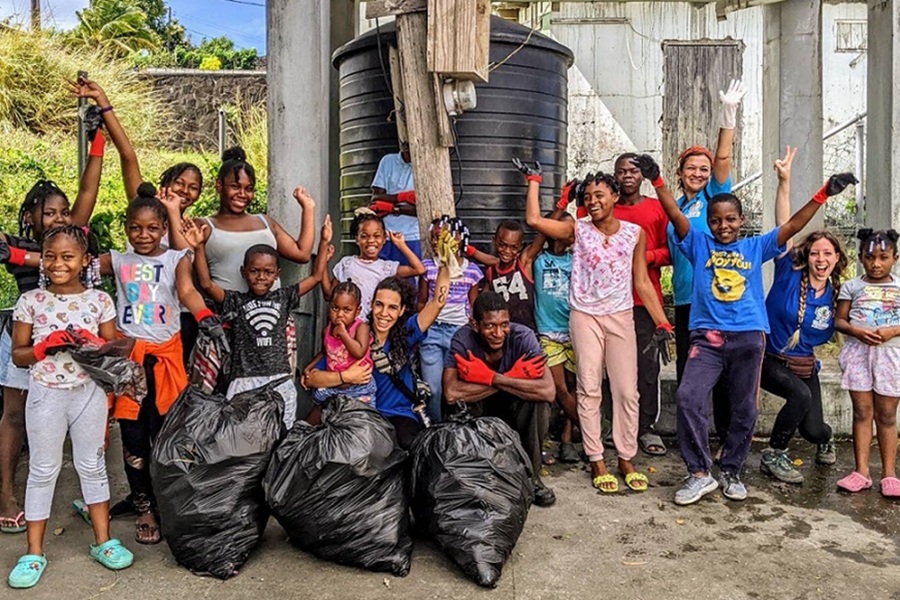
• a team organising a community action for the first time;
• deep conversations that heal parts of people they didn’t even know were wounded;
• students facing their own biases, unlearning, relearning, and choosing empathy.
We see them change — and we change with them.
Those are the moments that make the job the best job in the world.

Seeing Students Shift — The Heart of the Work
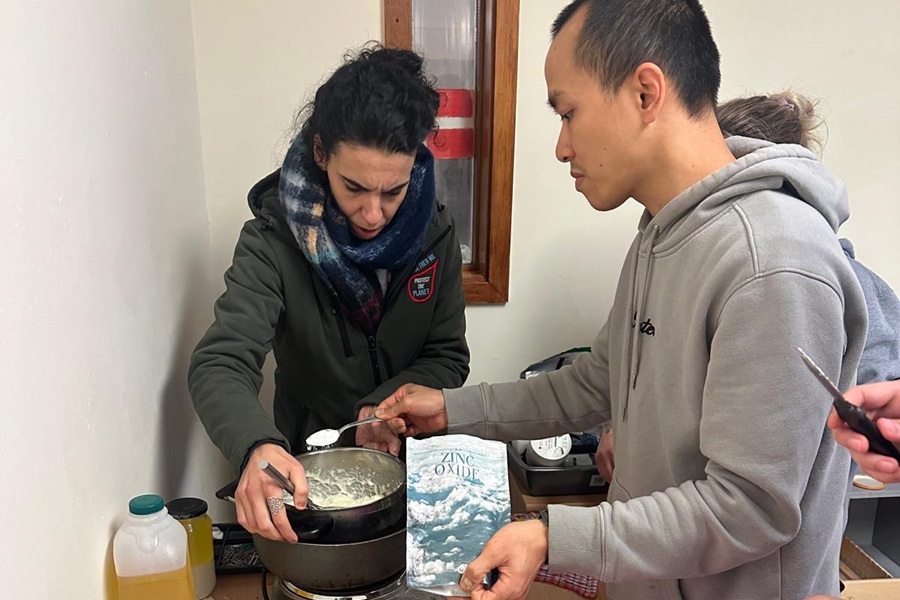
CICD is a space where people come to prepare for development work, but what they truly develop is themselves.
They learn what collectivism means, what responsibility feels like, what solidarity looks like in practice.
And the privilege of being a teacher here is witnessing that shift.
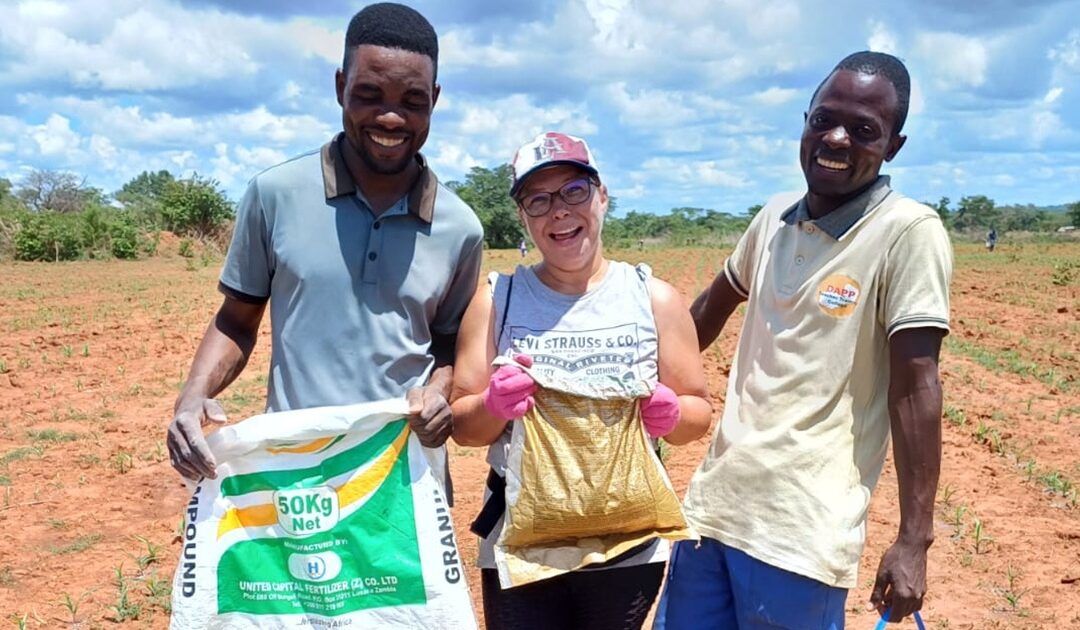
You see students who once felt lost now leading projects in communities in Africa or India side by side with their project leaders and the local people.
You see them become resilient, thoughtful, critical thinkers.
You see them fail, stand up, and try again, and again, and again — not because they have to, but because they want to.
You see them taking ownership of their learning, their choices, their role in the world.
And perhaps the most beautiful part:
You see them realise they are powerful — not because of their individual brilliance, but because they can move things together. You can see the Power of the collective!


The Best Job Ever — Because It Matters
To teach at CICD is to be part of a movement.
It is to believe in long-term development.
It is to understand that education is not about content but about consciousness.
It is to work for a world where people don’t just want change — they become the change.
You don’t clock out from that.
You live it. It is intense, it takes all you have and it matters. And as much as we guide the students, they also guide us — teaching us patience, reminding us of purpose, and proving every day that people can grow beyond what they imagined.
At CICD, we don’t just teach.
We witness transformation.
We stand for justice.
We build teams.
We prepare people who will contribute to communities far beyond our little corner of Yorkshire.
It is the best job ever — because it is not just a job.
It is a responsibility, a privilege, and more than anything it is a quiet revolution.