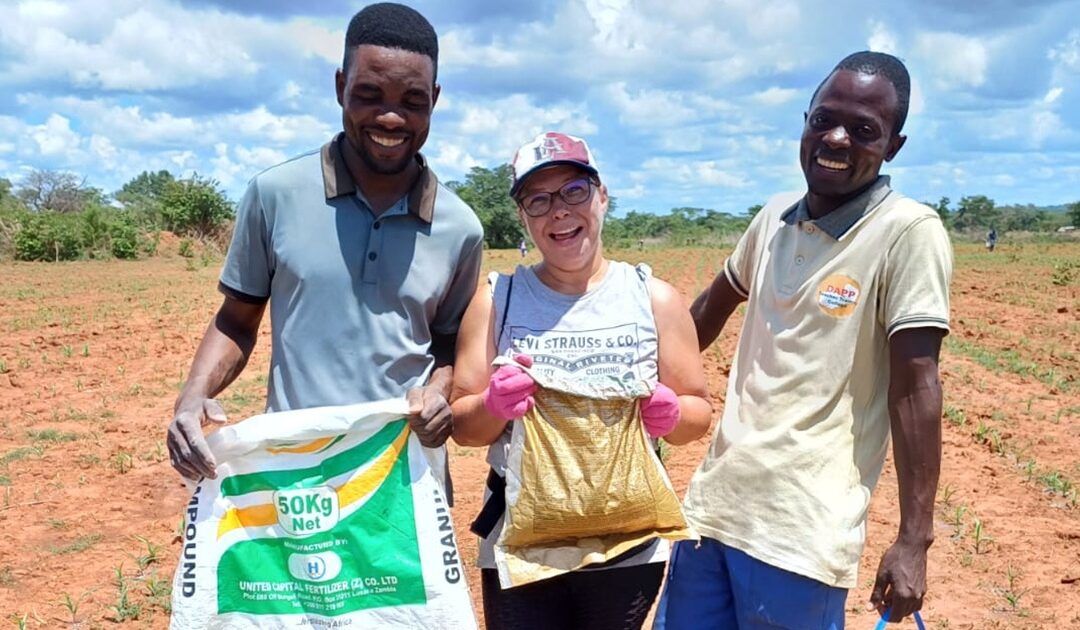
Hi!, my name is Ivett, and I am a former DI and currently a student again for the Climate Activist team in CICD. I was fortunate enough to spend 6 months in Malawi, Amalika specifically, at a teacher training college as a preschool supervisor with my team.
My time if Africa is not easy to explain, I still get very emotional every time I think about it, and it was very hard at the beginning to have an honest conversation about it, it is hard now too. I think that will stay the same.
When people ask me what was the hardest thing in Africa, I always say the same – getting on the plane to come back to Europe. A big part of me has stayed there in our little DI house laughing with our neighbours. Being part of that community has touched me in ways I cannot yet describe, and left me longing for that feeling even a year after I have come back.
Development work from another perspective
You hear so much about development work in Africa, about all the huge organisations and charities that have been providing aid for decades. You hear it on the news with pictures of starving children with a little plate of food, with women working on the fields with their baby strapped to their back, with men working long and hard hours to provide a little money for the family.
And of course, it is true. The kids are hungry – and they are always happy if they get a little food. The women are working, washing, cooking, gardening with their kids strapped to their backs. And most of the time men do work long and hard hours to get a little money.
But they are happy. The smiles and joy of the kids compares to nothing I have seen before, the men make jokes during those hard hours, the women are laughing and gossiping while they are working in the heat with the extra weight on their backs.
Africa is not how they portray it in the media, not completely at least. There is some truth to it, of course, but the reality is mainly not that.
The huge organisations, the aid that everyone sees from Africa in the media is just a very small part of their lives, and it is often put into the spotlight as the saviours of the people. What I have seen differs from that in many ways.
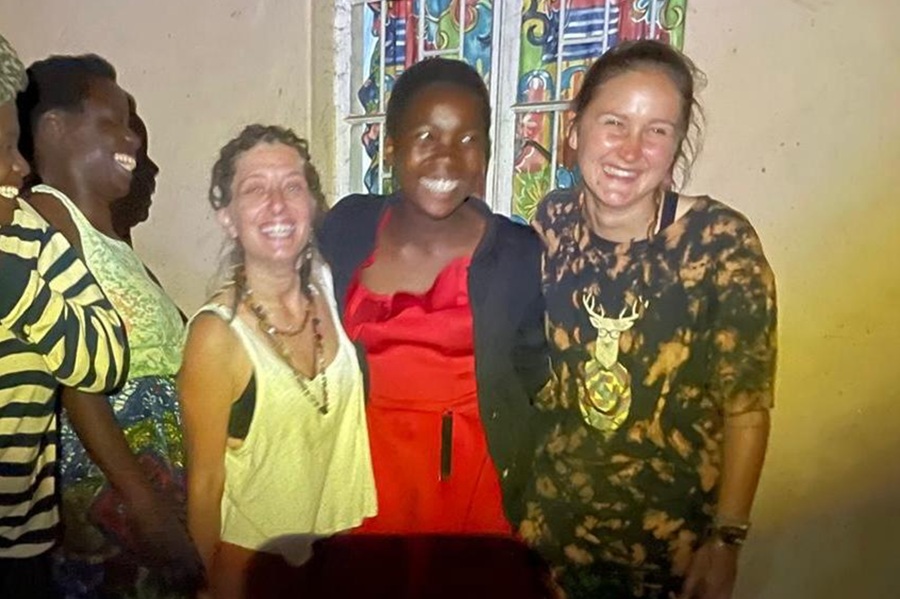

It’s about the people
I remember the people I have met, the people who do not wear logos on their shirts, who do not travel with branded trucks, who don’t build school and clinics.
I remember James, who flagged us down while we were passing next to a local clinic with the motorbike to one of the preschools. He introduced himself and asked us politely who we are, what we are doing here, and we had the chance to ask the same questions. Turns out, he is a doctor at the clinic who spends almost every day helping people from the community, and we were fortunate enough that he showed us the work they do with the limited things they have. At another time we have spotted him again on the road, and we asked where he is going. He explained there is a school nearby – in Malawi that usually means very far – with a lot of adolescent girls that need some kind of vaccination, and he is going there to provide that. There was no camera crew, no pictures or reporters, just him with his medical bag, going up on the muddy road in the rain, with a smile on his face. I hope that is something I will never forget to remember.
Then there was the neighbour, our Malawian Mama, who we soon realised is the pillar of the community, and I genuinely feel so privileged I had the chance to be part of her community, someone she cares about. She is one of the preschool teachers – voluntarily – she is taking care of all the kids even when she was not in the school anymore, she is helping neighbours, nearby communities, and everyone that needed some kind of help – while quietly doing her own tasks as well. She barely complained, maybe just stated some sad facts, explained everything when we asked, was always curious about what we were doing and why, was up until late and was the first one up in the morning already making the fire to cook – and the person everyone came to for everything.
Her name is not plastered on posters, not praised by the media, but it is being called from the gardens from men looking to borrow a tool, by the kids from the gate of our houses, by the door from women who wanted some ember to make fire, it was being called from our house as well, frequently. And she was there, instantly, without question. I really wish I would have understood everything she was saying, but I know her eyes and her laughter will always stay with me.
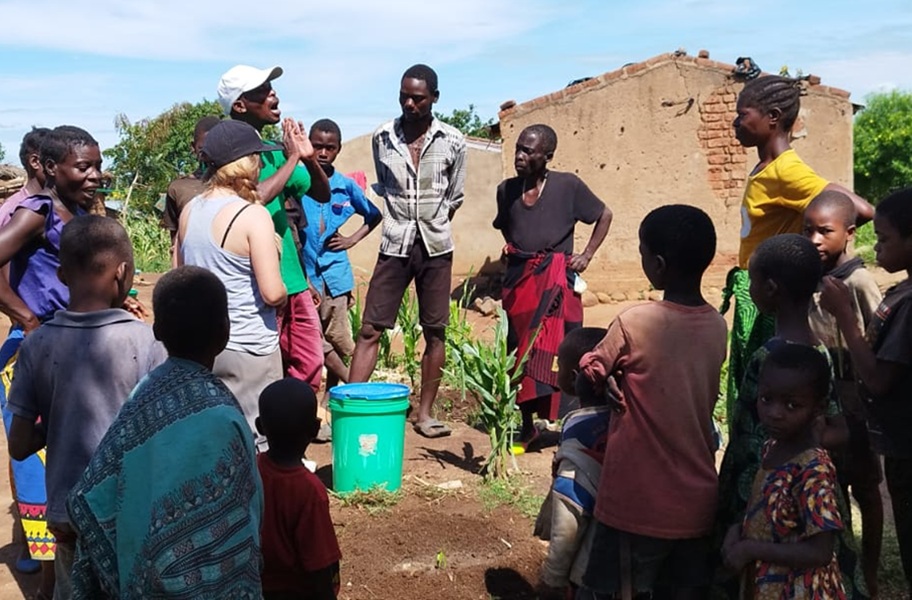
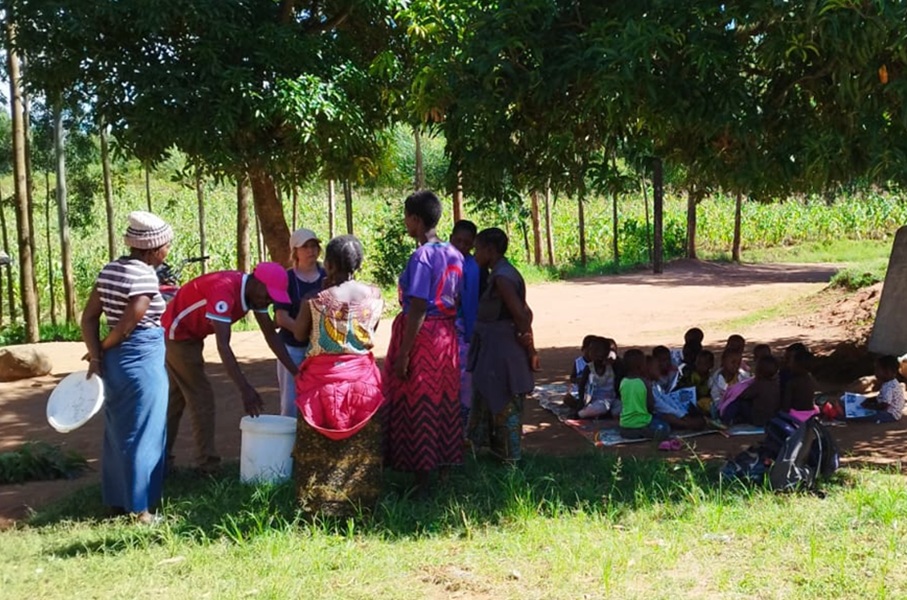
And there was Sharon. She is the daughter of our Malawian Mama, and she is one of the brightest kids I have ever met. And I am not talking about just being smart. She – just like her mother – was a huge part of the community. After coming home from school – you could already see her washing, taking care of the neighbours’ kids, the kids of the whole community actually. From doing homework with them, to playing, and teaching them, she was a stable and constant point in the life of everyone around her – just like she has seen her mother doing the same. She was constant for us too. Thankfully, with her great English she was always our translator, our explainer, our friend – at only 14 years old.
She is one of the best examples of learning from example – from her mother. I would love to see who she grows up to be, I know she will do more amazing things in her life than I can ever imagine.
The real heroes
The heroes I have seen in Malawi do not wear capes; they do not have articles written about them. They are the heroes who are so busy they don’t have time to post about it, the heroes who don’t get a parade after doing small things, if anything they walk past the parade and get on with their tasks.
We often have the misconception that we will go to Africa and teach people, and although that is somewhat true, I can confidently say I have learned more from each and every person I have met than I could ever sum up, even if I keep writing for a week. The sense of community, the generosity, the wisdom, the kindness that is radiating from the people’s eyes is something I don’t ever want to forget and will never take lightly.
I feel privileged I got to see the reality and I got to meet my heroes. It gives me so much hope that there are many people like this working quietly far away from all the spot light and parades.
Maybe a part of me stayed there just to keep feeling that small sliver of hope for the rest of my life. To feel the love of the community when I am unsure of the future. I hope that part of me never leaves Malawi and will echo the laughter I can still hear from outside our door for as long as it can.
Ivett Simicska, volunteer in Malawi in 2024 / now Climate Activist team June 2025