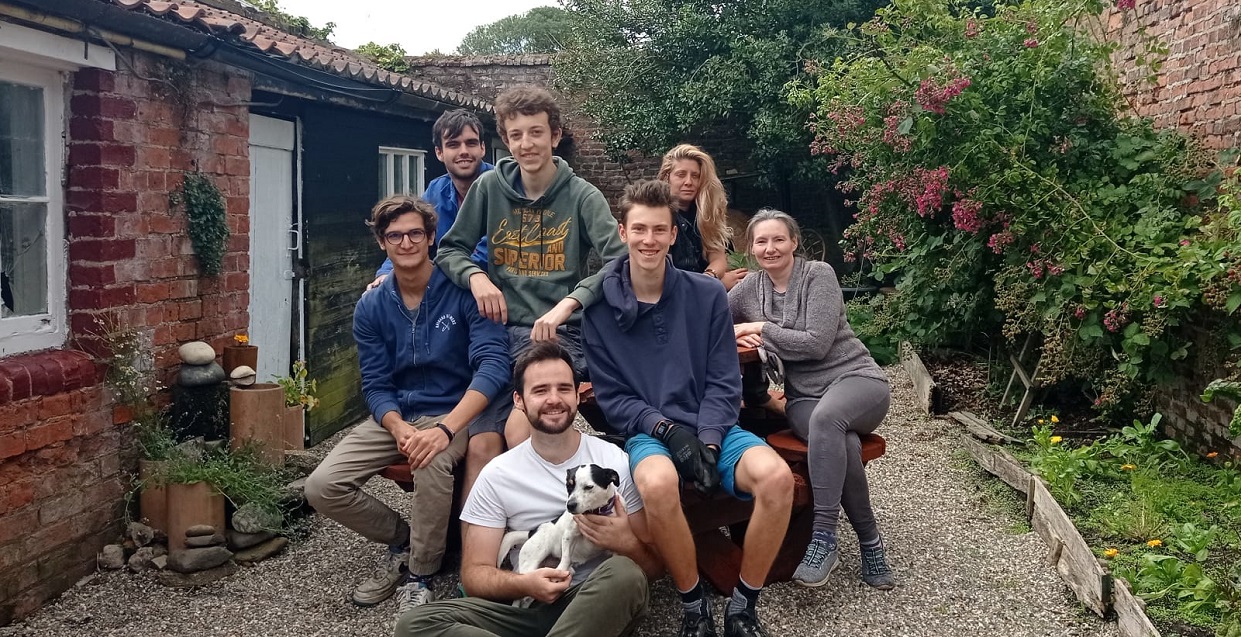
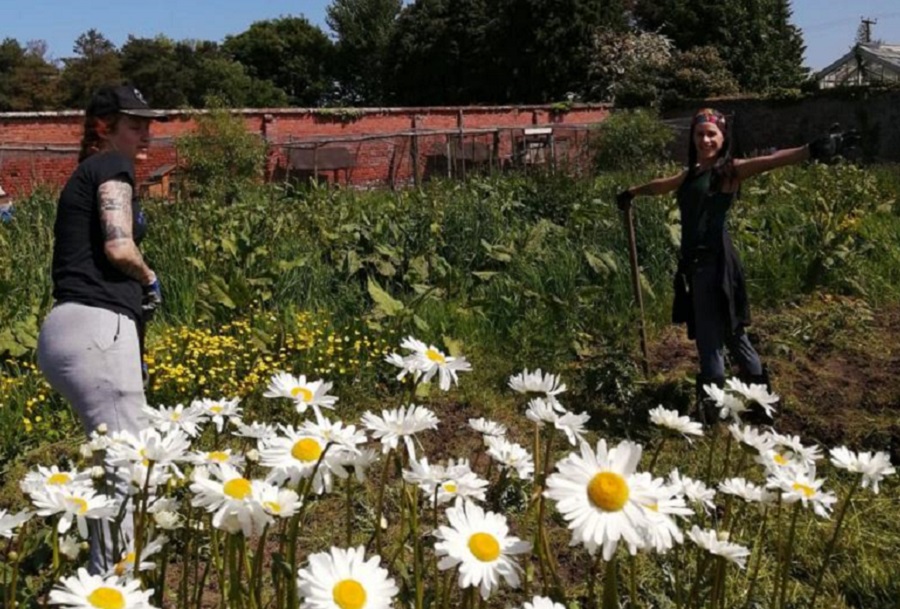
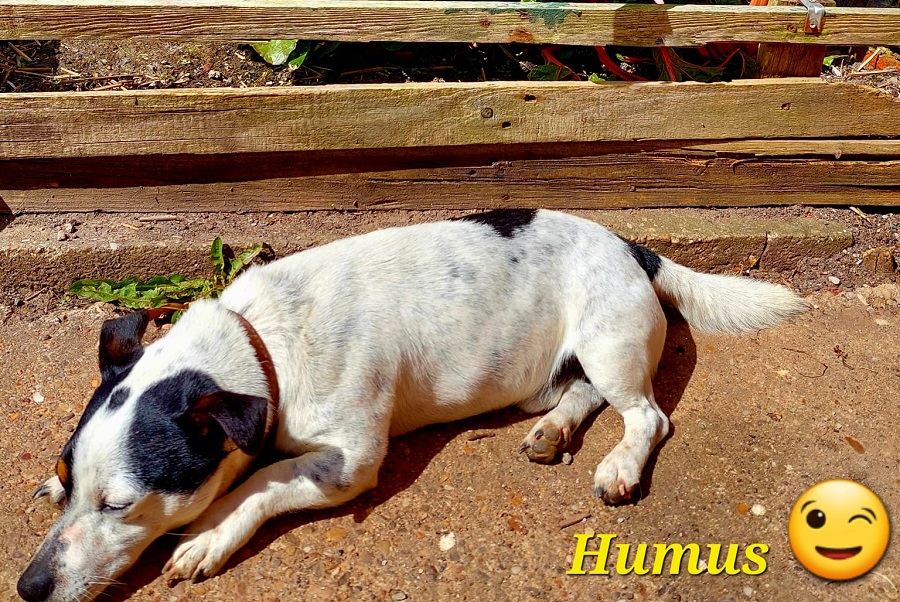
Together with our active and hard working WWOOFers and Humus the garden-dog
Interview with Ana: Taking care of CICD-s organic garden farm
During the spring and summer, it has been a great help with Ana’s support in taking care of our garden farm. Here you see here with our WWOOF-ers! We asked one of the students, Kriszti, to make a small interview for our blog:
-Why did you choose to have gardening as responsibility at CICD? Do you have such experience from before?
I chose it because I like gardening, I like to see how natural interaction can be managed and how we can live in a beneficial symbiosis.
I grew up on a farm and got the knowledge from my grandparents, but I am constantly searching and learning to improve. I am also very curious, I want to learn more about new techniques.
When I started taking care of the CICD garden farm, it was needed to make an assessment and make a garden plan, so we can make it work and “make profit” from our vegetables and herbs (meaning a good production!)
-How do you plan the garden system and the planting?
What important aspects should be paid attention to, what “rules” should be followed?
The garden system was chosen taking in consideration the native plants, the environment and their sustainability. We made a 90 degrees system of rotation, so we don’t stagnate the soil but can keep a continuous production.
The rules that we applied were to choose groups of species so we can make the rotation system work. We chose companion plants, so we can help improve the pollination, keep pests away and help the frutification.
To prepare the soil well before planting, we mixed the soil, added some manure, mixed it again, and broke up the manure. Meaning: mixed it?
We had some natural fertilizers (egg and banana peel, coffee grounds) to improve the quality of the soil and add some more nutrients.
A lot of the soil in one of the green houses was hydrophobic (it was “dead” and nothing could grow there) so we made a deep treatment to make it good for planting again.
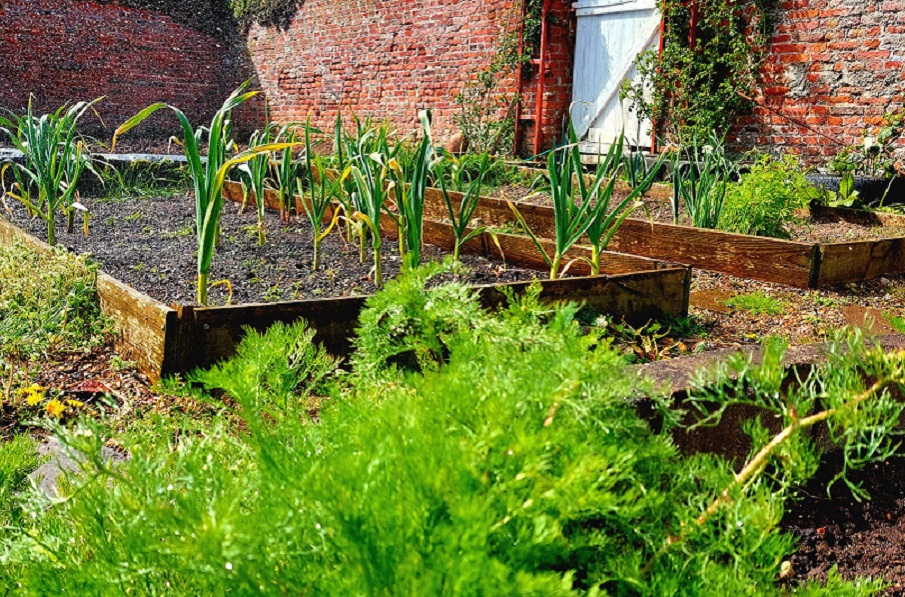
We have now around 60 different species of vegetables, fruits and herbs in the garden farm.

-How can the produce from the garden farm be used?
Our garden farm is fully organic and we make sure that we keep and respect also the native plants.
We have many fresh herbs and vegetables that can be cooked or eaten raw. We have 5 different species of tea herbs, 6 different types of herbs like parsley for salads and cooking.
There are strawberries, rasp berries and other berries that can be eaten fresh or make into jams and dessert. We also have many fruit trees and are introducing 2 new trees, a lemon tree and a passion fruit tree. And you can use everything we have from the roots to the leaves and fruits and also make some medicine, infusions, repellents and you keep healthy by using the whole plant.
Some examples are dandelions: you can make a kind of “capers” for cooking from the flowers, and use the roots for a healthy drink and to make oil for the skin. Also pine needles can be really useful – if you leave them sitting in water for a day you get a tasty drink similar to Sprite! The sap from the pine trees can be used for mosquito repellent!
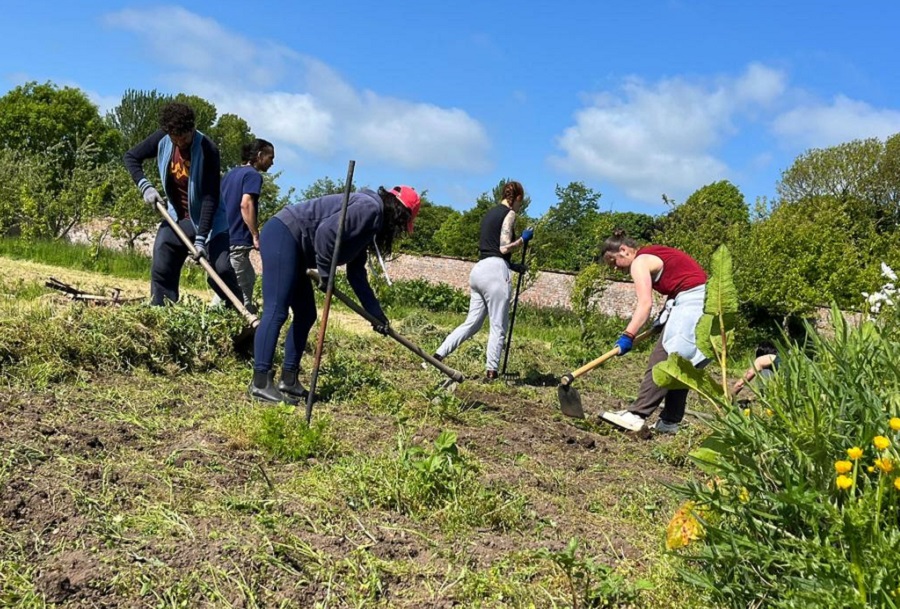
In the garden farm, we have a weekly plan for all tasks that we need to do and a long-term plan according to the crops. I organise our helpers from WWOOF and HelpX to come some days to help with weeding, harvesting and other things.
The students also sometimes come to help with weeding, cleaning and small repairs, and prepare beds for new baby plants.
When it rains we work inside the greenhouses, we are plant seedlings, make plans for the time coming, organise materials, and produce guide lines and plans for the continuity of the production.

-What natural materials do you use to protect plants and soil against pests?
As we are a fully organic garden farm, we use no chemicals at all. Instead we use companion plants like onion to repel insects and pests. We use “beer traps” to repel the slugs from cabbages for example, and we have implemented some coil rods to keep some pests away and also to help the growth of the vegetables – “electro-culture”
For watering the plants, we have an irrigation system that we turn two times each day and we have a drip irrigation system inside the greenhouse.