CICD is a residential college – for some of us a home for a long time, and for you it will be your base during the programme that you choose.
In addition to the daily training and learning activities within the programme, many other, colourful and diverse activities will take place while you live at CICD.
You are in for a learning experience with a high yield: reading and understanding books, preparing for what the next period will bring, discussing and debating the big issues of our time and world and the future of humanity, taking action with local community groups, going on travels and investigations, alternating between working by yourself and in your groups, and working with the practical and encouraging endeavour of running all CICD-s daily affairs and its shared life and facilities.
A collective way of life – and why
We have chosen to organise life in a collective way at CICD – not because we might as well, but because we cannot do without it.
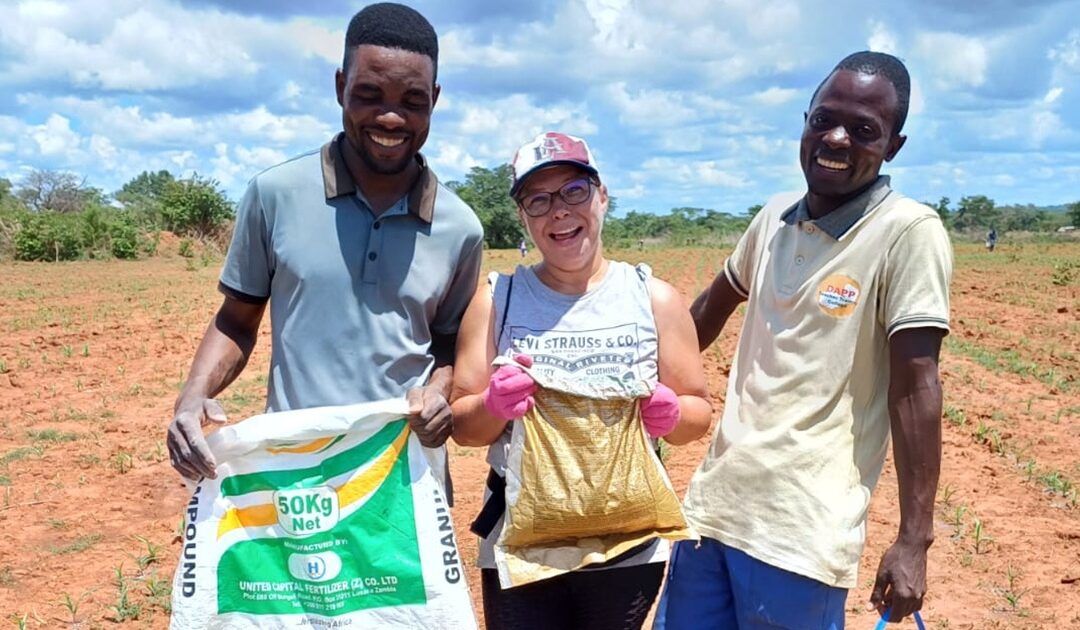
We are all here for a reason: we want to create CHANGE, and to work together with some of the poorest people on the planet in improving their life and their conditions. And at the same time we want to build up a positive culture, have fun and enjoy life – while we are fighting hard together to make a difference!
So as a student at CICD you have a challenging programme with big tasks in front of you. As a thread running through it all you find the team and the co-operation between students and teachers and other members of staff in making it all work, and giving the teams the best possible conditions for reaching their goals. If we don’t stick together, this cannot be done!
The skills of leadership and co-operation are best learned in a setting of “learning by doing”.
But…to have a collective starting point in the daily life is for many of us something we are not used to, so it takes some training and adapting. We have often been brought up where the norm is to see the individual always as the central figure. Men and women with outstanding (or noticeable) qualities and talents are celebrated and made visible in the media and can become “TV celebs”.
But the changes and developments created by the slow and steady work by many people together mostly go unnoticed and are invisible in the media, in spite of that they have deep and long-lasting impact. The work of Humana People to People and many other NGO-s and organisations are examples of this. The work of the Poor are another example – she who manages to provide for her family day after day despite impossible odds, looking AIDS and starvation in the face. Their huge efforts are not famous or celebrated, but they are the people we stand shoulder to shoulder with when we take up the good fight for a better life.
Common meetings
Once a week students, teachers and staff meet to discuss and update each other on different common points. We deal with important issues in our daily life – such as: we look at plans for actions of the buildings or the organic garden farming, we welcome new students, we discuss the food budget and the menu, we plan support for the local soup kitchen. A small committee consisting of students and teachers meet a couple of days in advance to prepare the meeting.

Responsibility areas and running the school together
As a student at CICD, you will find that your “student role” is very different from what you are likely to have tried before. Being involved in all the many activities that are part of the daily life at the college, together with the rest of the students and the staff group, places you right in the middle of it.
This also brings more of many things: more work, more learning, more personal development, more friendship and sticking together!
We run the school together, which means that the daily running of the school is also done by you.
There are different Responsibility Areas such as food shopping, sewage, checking the fire alarms. When you start your programme you and your team divide the areas between youurselves and together with the other teams, you cover all the areas of the school.
We must remind you that only if we work together can we make life in our community work well for everyone. When living in a community it is better to do a bit more (instead of a bit less…) than you are expected to!
Running the school together makes everyone responsible for the place we live in and for the conditions we have. If you want a comfortable, clean and happy school it is also in your hands to make it happen.
The daily running is organised like this:
- Everyone participates in the cleaning rota of the accommodation buildings once a week.
- Students and teachers clean the School Building and kitchen area every morning.
- Everyone participates in the kitchen rota. Depending on the number of people in the school you will be in the rota for dishwashing, cooking or baking bread one, two or maybe three times per week.
- Every Wednesday before lunch, all students work with their Responsibility Areas.
The Responsibility Areas are:
- Food
- Health & Safety
- Cleaning
- Sports & Culture
- Cars and bicycles
- Accommodation
- Sewage
- The park
- Building weekends
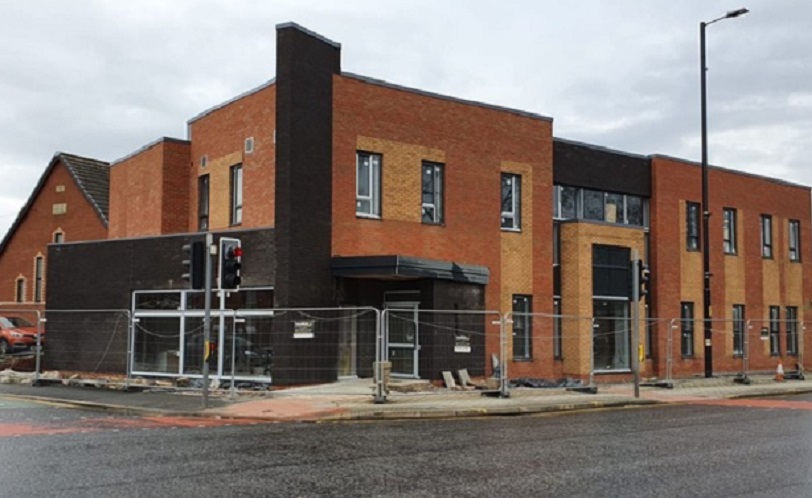
Every month we have a Building Weekend with all Development Instructors and teachers. It is one of the essential ways for us to keep the buildings nice and to upgrade and improve the facilities, at the same time as giving you the opportunity to learn many organisational and practical skills. The Building Weekend is a monthly highlight, and everything – tasks and tools, work groups and quality control, food, refreshments and evening programmes – are prepared and organised by one or two of the DI-s.